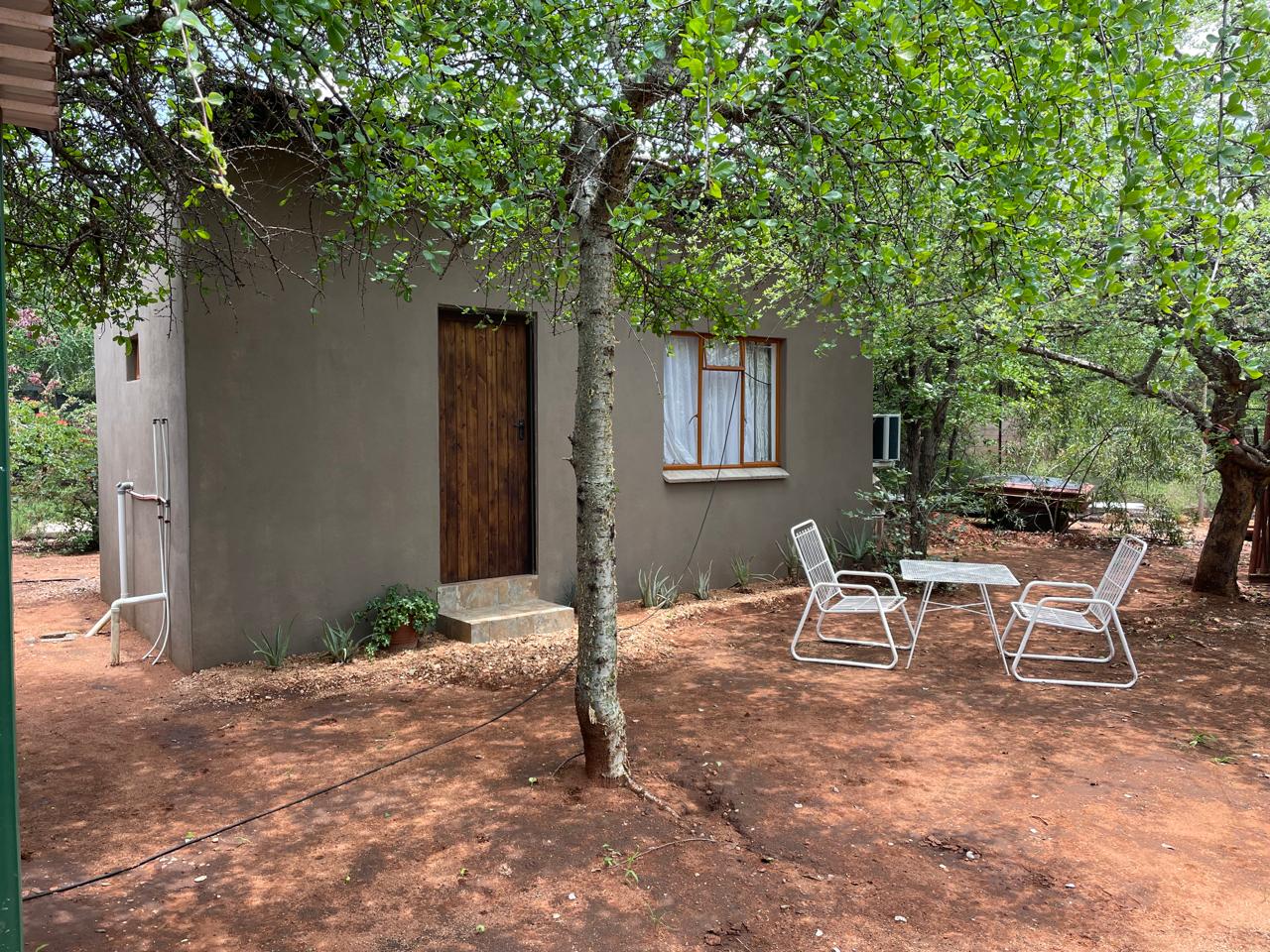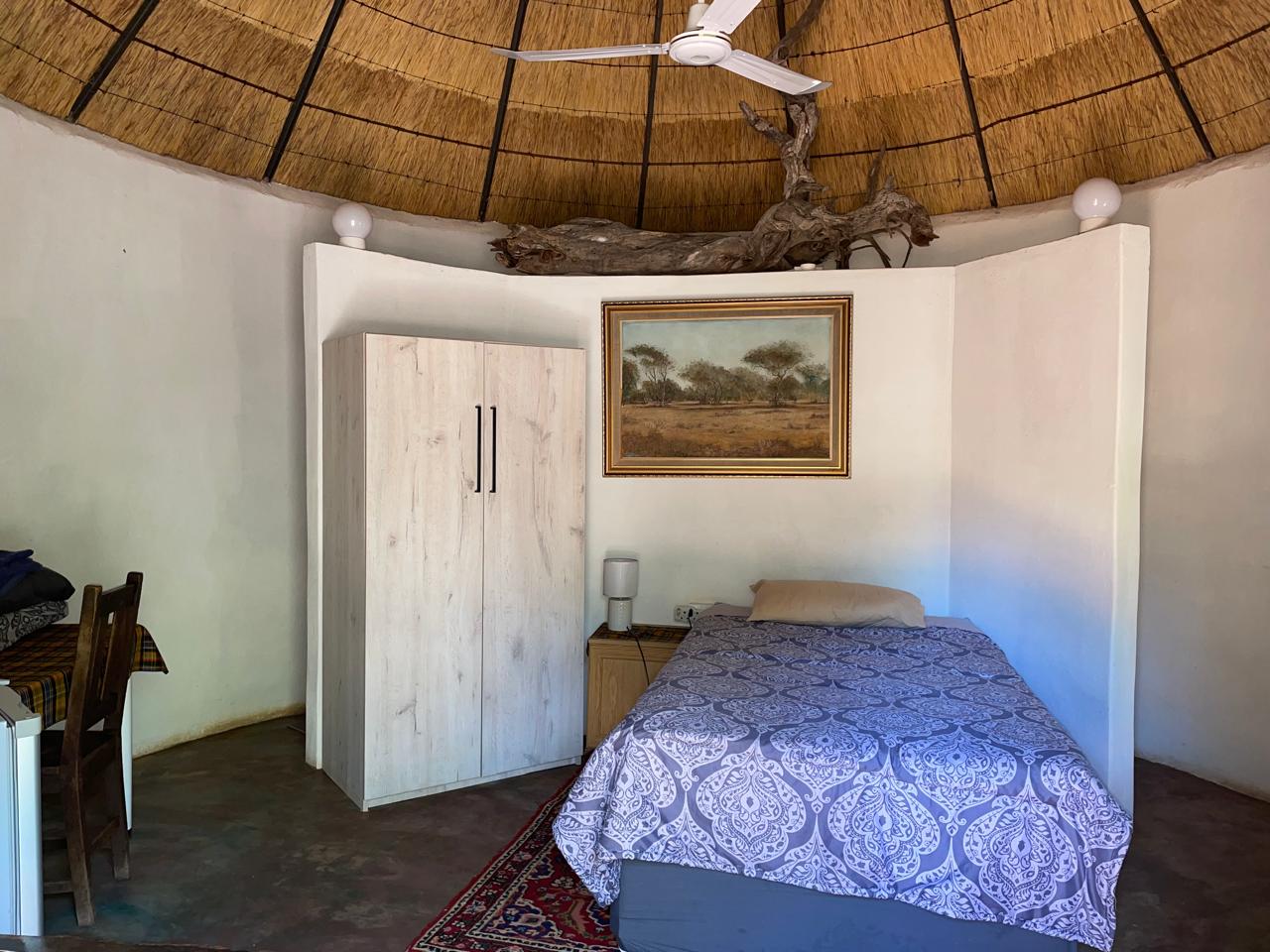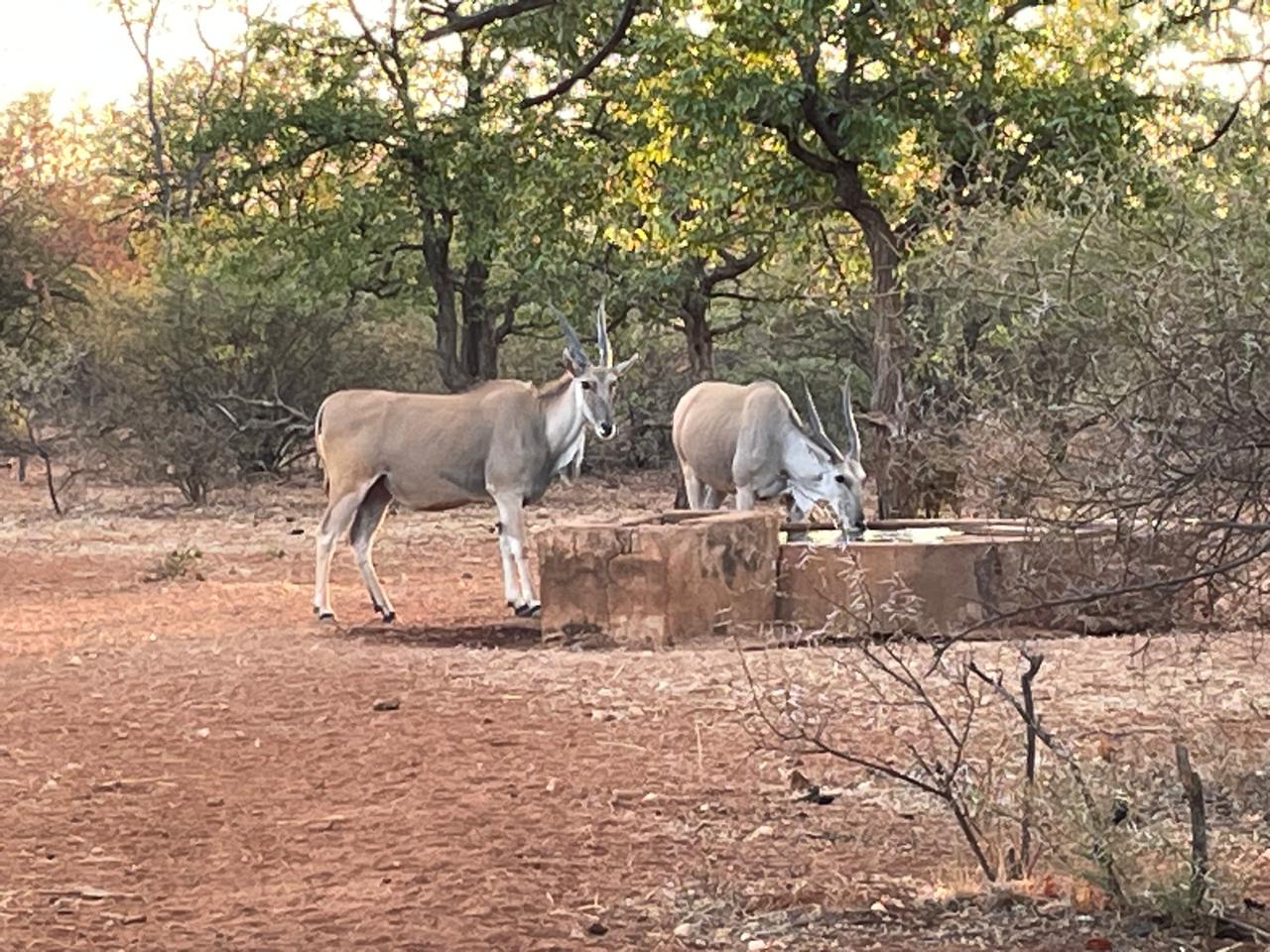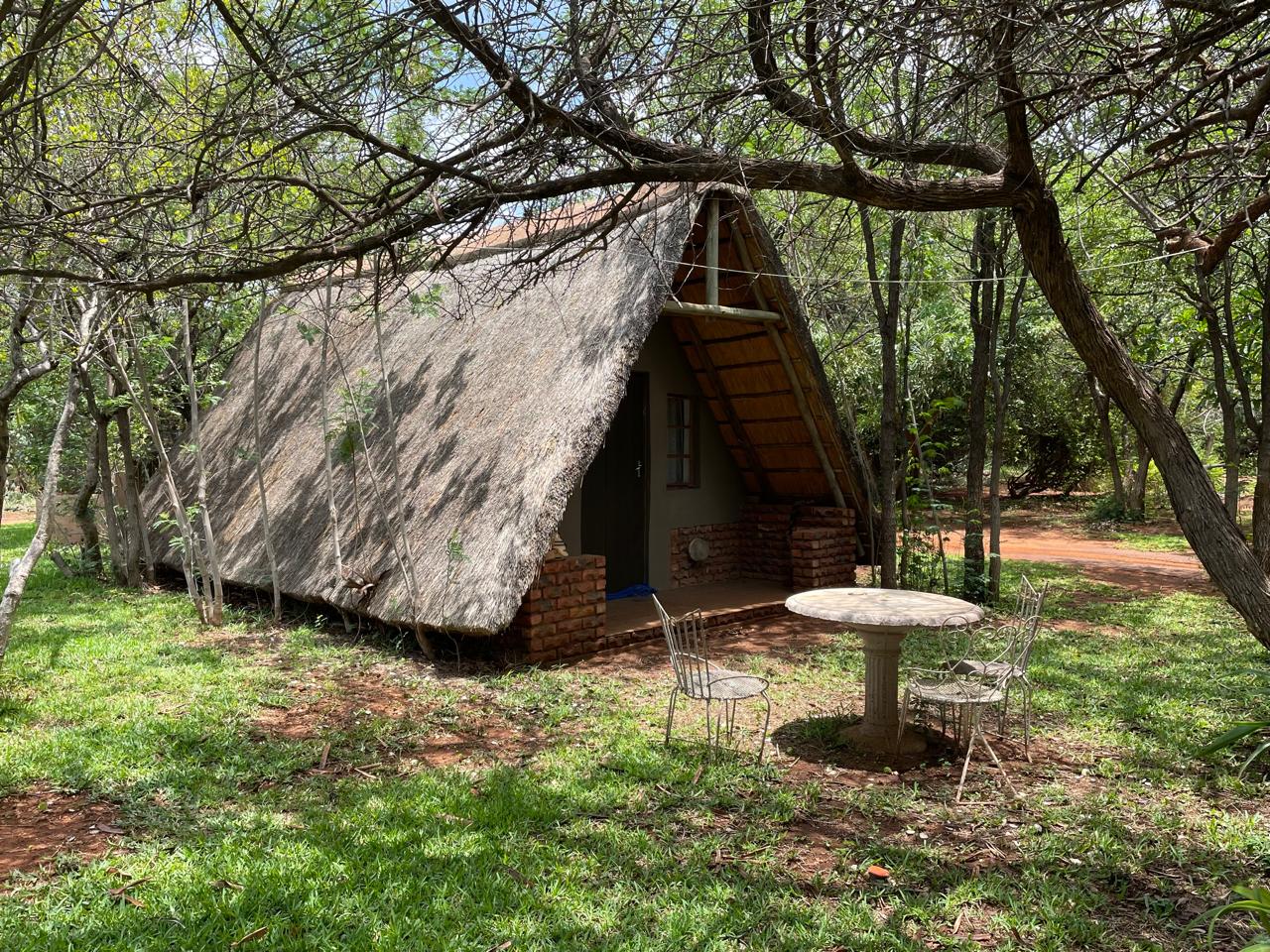
Stargazers & Astrophotographers at Kudu Rest Camp

For Stargazers

Bortle 2 Skies in the Limpopo Bushveld

Some of the darkest skies in South Africa — perfect for astrophotography, meteor showers, and Milky Way nights.

Why stargazers choose us

Stargazers & Astrophotographers

Flexible rates — short breaks and long stays welcome.

No city, no airport, no light pollution to speak of — just 60 km of bushveld between you and the Zimbabwe border, and a sky that looks painted. The Milky Way core rises directly over the property in winter. We welcome astrophotographers: quiet set-up spots, stable power for mounts, and sunrise coffee when you've been up all night.

  • Near-Bortle 2 dark sky conditions
  • Latitude -22° — both Magellanic Clouds, Southern Cross, and a surprising slice of northern sky
  • Stable 220V power for mounts, laptops, dew heaters
  • Private, quiet nights — no generator noise after 10pm
  • Winter Milky Way core rises directly overhead

The first time you step outside the chalet at midnight and look up, the sky here will stop you cold — and you'll notice how long it takes before you remember to breathe. We switched off every light we could. The rest is physics and altitude. Bring your rig, stay up all night, we'll hold breakfast.

— Henri, owner

Tonight's sky above Kudu Rest Camp

An interactive planetarium from 22°S.

Drag the time slider to watch the sky rotate. Tap a constellation, a glowing deep-sky object, or the Milky Way core to read what you're looking at. This is what the sky genuinely looks like above the camp tonight — from our exact latitude.

N S E W

North is at top, east to the right. Drag the slider to move through the night.

Why the sky here is extraordinary

Bortle 2, latitude -22°, no horizon haze. the sky you hoped the bushveld would give you.

Kudu sits at roughly -22.4° latitude — far enough south that the Magellanic Clouds, Omega Centauri, and the Southern Cross sit high overhead, close enough to the equator that a generous slice of the northern sky also rises. Between the property and Polokwane there is 200 km of near-empty bushveld; between the property and the Zimbabwe border, 60 km more. Light pollution is effectively zero.

The practical number is Bortle 2 — a classification that puts the sky in the same bracket as the Karoo Astronomical Advantage Area. What that means with the naked eye: the Milky Way casts a visible shadow on clear winter nights. Airglow is obvious. M31 (Andromeda) is unmistakable. The Magellanic Clouds look like torn pieces of the Milky Way sitting apart from it.

Astrophotographers: 220V 50Hz mains is available at chalet patios for mounts, dew heaters, and laptops (bring UK-style Type M adapters). WiFi reaches the central deck — fine for PHD2 or NINA guiding, remote sessions, and nightly image uploads. The property is quiet by 10pm: no generator, no road noise, no ambient light. Nights routinely hold 0.5–1.0 magnitude of airglow, which is the only "pollution" you'll see.

Seeing (atmospheric stability) is very good in winter — dry air, low turbulence, stable trade-wind patterns. Summer seeing is variable but transparency can be exceptional after afternoon thunderstorms have scrubbed the atmosphere clean. Pick your trip to match what you're imaging: narrowband can tolerate full moon, but wide-field Milky Way work wants the new-moon weekends from May to August.

Horizons are low in every direction — roughly 2–3° of bushveld before unobstructed sky. That matters for objects low in declination from the southern hemisphere, for meteor-shower radiant tracking, and for the Southern Cross culmination on autumn evenings. It also matters for zodiacal light — visible from here both in the evening after sunset in winter and in the pre-dawn east in spring.

Month by month

The southern sky calendar.

The sky changes fast. A week's difference can mean a prime Milky Way week or a pre-dawn rise; a full moon or a new-moon weekend. Here is what each month brings from -22°.

  1. 01 January

    Orion at zenith

    Summer — Orion is straight overhead at 9pm. M42 (the Orion Nebula) never looks better. Sirius blazing, Canis Major rich. Evenings warm (22°C at 10pm). Thunderstorms possible late afternoon — usually clear by 9pm. Quadrantid meteor shower around Jan 3–4 (northern-hemisphere bias; modest show here).

  2. 02 February

    Southern pillars — Carina, Centaurus, Crux rising

    The Milky Way's southern arc is now high in the east after midnight. Orion still dominates the early evening. Eta Carinae Nebula and Omega Centauri both accessible before dawn. Zodiacal light visible after sunset in the west.

  3. 03 March

    Equinox — 12-hour nights

    Autumn equinox — length of night now favours astrophotography. Southern Cross climbs through the evening. Omega Centauri high by midnight — the sky's largest and brightest globular cluster, resolvable to the naked eye from here.

  4. 04 April

    Lyrids — and Centaurus A overhead

    Lyrid meteor shower peaks April 22 (modest, 10–15/hr). Centaurus A galaxy (NGC 5128) crosses the meridian in the evening — one of the southern sky's iconic imaging targets. Omega Centauri reaches culmination around 10pm.

  5. 05 May

    Eta Aquariids — Milky Way core rising

    Eta Aquariid meteor shower peaks May 5–6 — up to 50/hr from a dark site. This is dust from Halley's Comet. The Milky Way galactic core starts rising late in the evening. Cold nights begin — 10°C by midnight.

  6. 06 June

    Milky Way core at the zenith — the month

    The galactic centre passes near zenith — arguably the best southern-hemisphere Milky Way imaging window of the year. Sagittarius, Scorpius, M8 Lagoon, M20 Trifid, M16 Eagle, M17 Omega all in one vertical span. Coldest clear nights, lowest humidity, sharpest transparency. Bring layers — dawn can touch 4°C.

  7. 07 July

    Deep winter — seeing peaks

    Dry, stable atmosphere. Long nights (14 hours). Milky Way arching zenith to south overnight. Magellanic Clouds rising through the evening. Moon-phase planning critical — new-moon weekends book out first.

  8. 08 August

    Perseid & Alpha Capricornid meteors

    Perseids peak Aug 12–13 — northern-biased but still visible here, especially in the north. Alpha Capricornids late July–August; Southern Delta Aquariids late July. Milky Way still commanding. Last of the sharp winter nights before spring warms up.

  9. 09 September

    Spring equinox — Milky Way tilts west

    Galactic core setting earlier each evening. Fomalhaut rises in the east; Great Square of Pegasus follows. Galaxy season begins — Sculptor, Fornax, Phoenix regions all rising. Zodiacal light visible in the pre-dawn east.

  10. 10 October

    Orionids — Magellanic Clouds high

    Orionid meteor shower peaks Oct 21–22 (Halley's dust again, ~20/hr). Magellanic Clouds high in the south — imaging targets become obvious. Dry pre-rain season; excellent transparency. Summer triangle setting in the west.

  11. 11 November

    Leonids — Magellanics culminate

    Leonid meteor shower peaks Nov 17–18 (variable, sometimes spectacular). Large and Small Magellanic Clouds reach their highest in evening skies. Thunderstorms begin — plan around cold fronts for clear nights.

  12. 12 December

    Geminids — the year's best meteor shower

    Geminids peak Dec 13–14 — 120+ meteors per hour from a dark site in a moonless year. From -22° with Bortle 2, this is genuinely spectacular. Radiant high in the north by midnight. Pack warm and settle in.

How the night begins

From last light to first star

every clear evening.
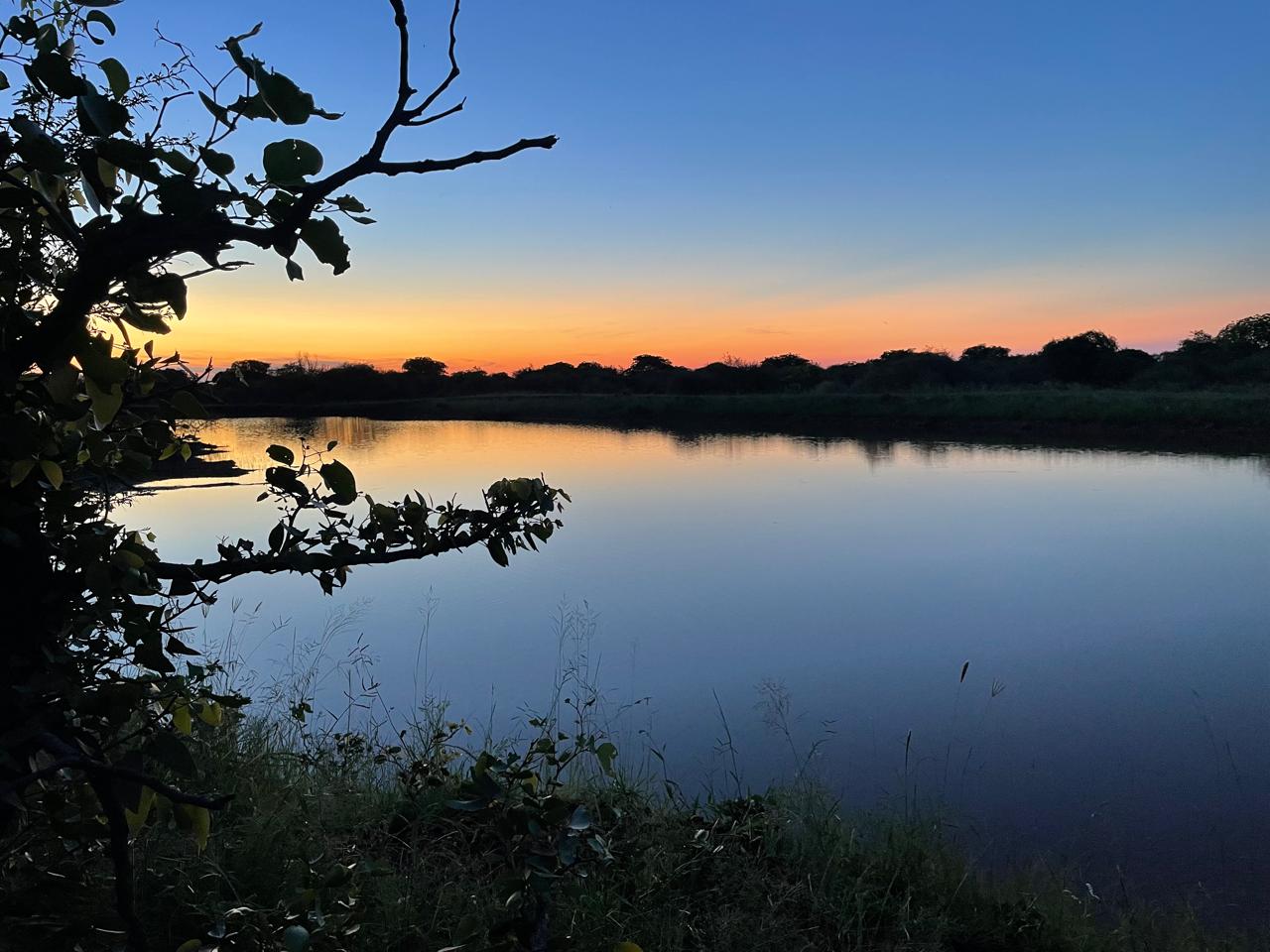
Blue hour over the dam Blue hour over the dam
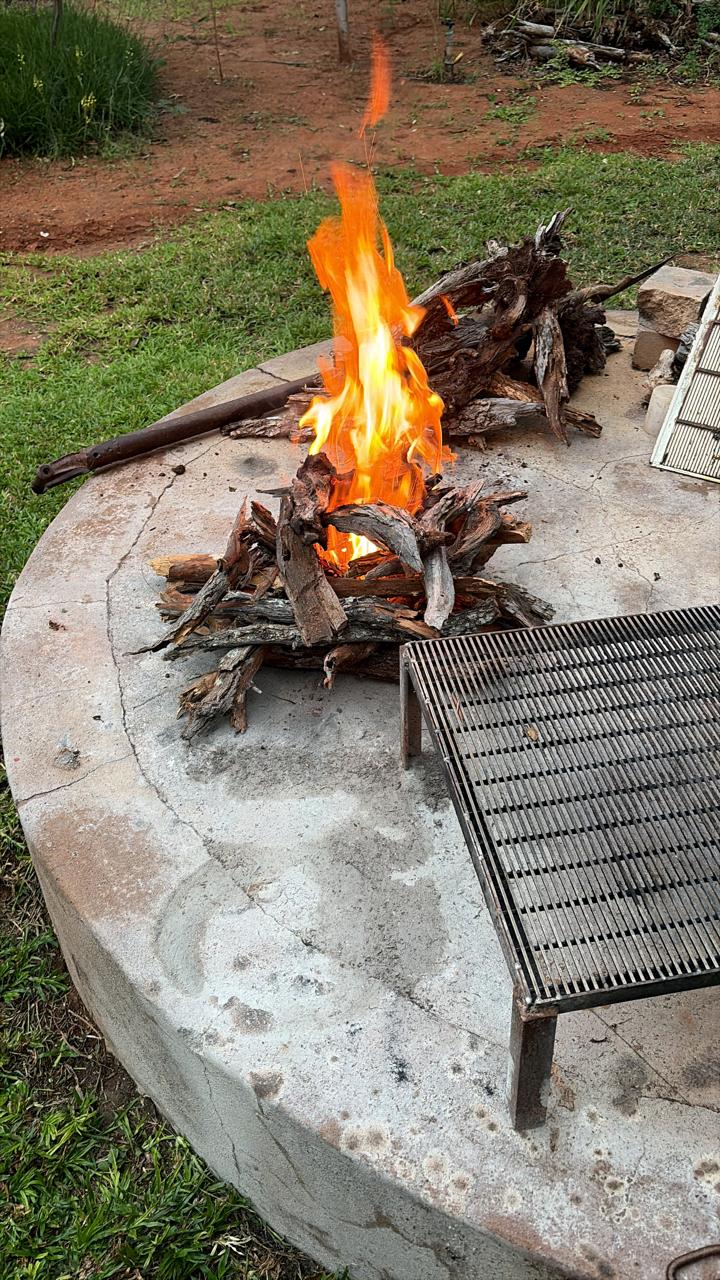
The firepit warms as the cold sets in The firepit warms as the cold sets in
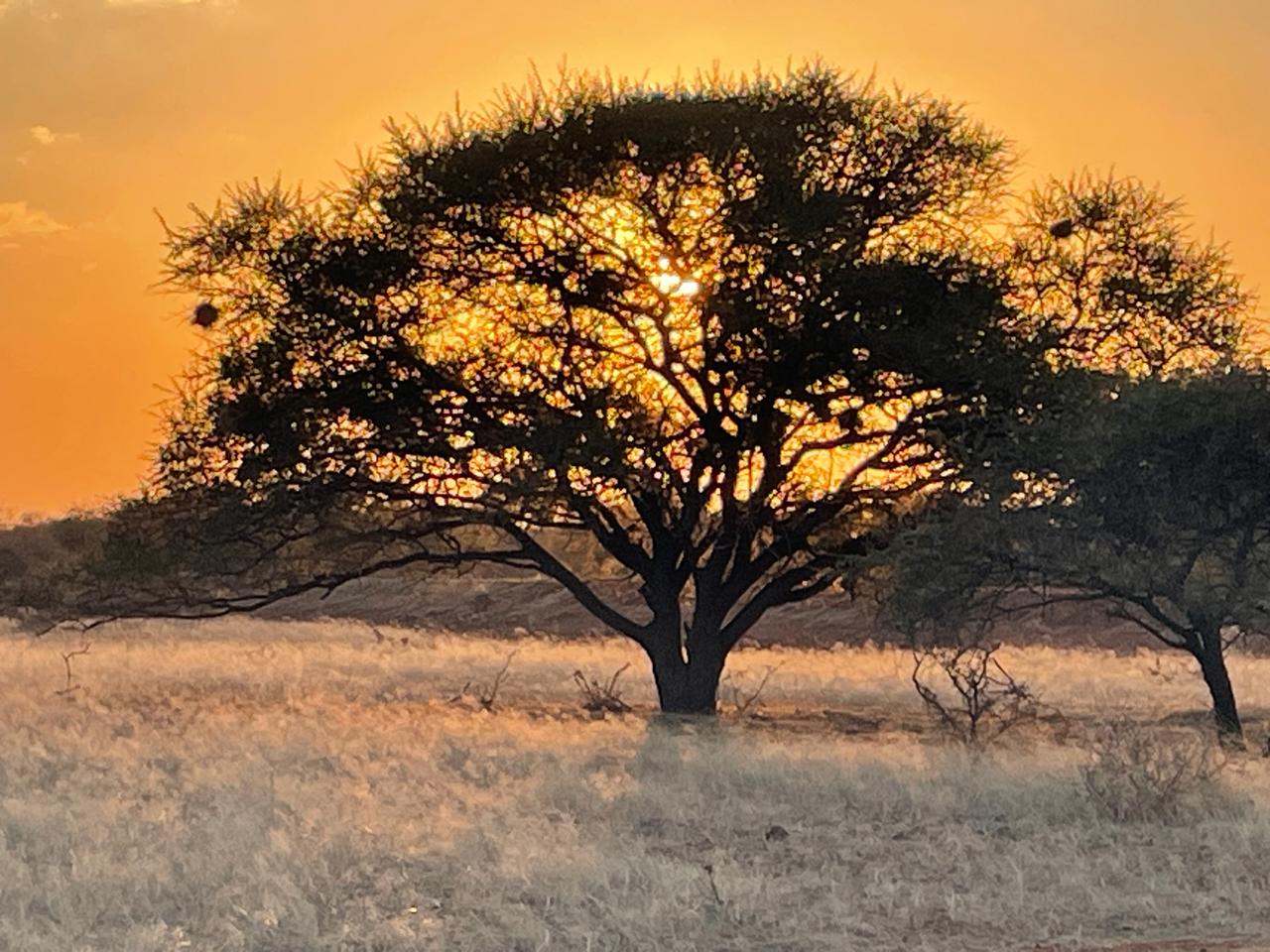
Last light — then only stars Last light — then only stars

Naked-eye from here

Southern sky highlights.

The sky here is rich enough that an opera-glass would be enough for a week of entertainment. These are the targets that benefit most from Bortle 2 darkness.

01

Milky Way galactic core

Visible naked-eye with dust lanes discernible from May through August. Culminates near zenith in June/July.

02

Large Magellanic Cloud (LMC)

Our second-nearest galaxy — a full 8° across. Contains the Tarantula Nebula, resolvable in binoculars.

03

Small Magellanic Cloud (SMC)

Third-nearest galaxy. NGC 104 (47 Tucanae) sits right beside it — second-brightest globular cluster in the sky.

04

Omega Centauri

Largest globular cluster in the Milky Way, naked-eye obvious from here. Resolves into stars in a 6-inch telescope.

05

Centaurus A (NGC 5128)

Peculiar galaxy with a dramatic dust lane. Binocular target; a fine image target at long focal lengths.

06

Southern Cross (Crux)

The southern asterism. Alpha and Beta Centauri point to it. Coalsack dark nebula just beside Crux — a void in the Milky Way.

07

Eta Carinae Nebula

NGC 3372 — pink naked-eye on dark nights. One of the most complex nebular regions in the sky.

08

Jewel Box Cluster (NGC 4755)

Telescope treat — a compact cluster of blue and yellow stars. Binoculars reveal it as a glitter next to Crux.

09

Alpha & Beta Centauri

Nearest star system to the Sun (Alpha Cen system). Splits beautifully in even a small telescope.

10

Scorpius nebulae

M4 (globular), M6 (Butterfly), M7 (Ptolemy), M8 (Lagoon), M20 (Trifid) all overhead in winter.

11

Southern Pleiades (IC 2602)

Open cluster near Eta Carinae. Naked-eye with 50+ stars visible from here.

12

Gem of the south: NGC 253 (Sculptor Galaxy)

Edge-on spiral in Sculptor, rising in spring. One of the finest galaxies for mid-aperture telescopes.

Field-tested logistics

How to make it work.

Moon-phase planning

Book new-moon weekends for Milky Way and deep-sky work. Full moon is still productive for lunar imaging and narrowband Ha/OIII/SII on bright nebulae.

Red-light headlamps only

Bring red LED or filter your white torches. One white beam anywhere in camp kills dark adaptation for an hour. We post a red-light reminder for stargazing guests.

Power adapter

220V 50Hz South African sockets are Type M — the large three-pin. Bring a Type M adapter for UK, EU, or US mounts. Two sockets per chalet patio.

Dew management

Dew is mild here compared to coastal sites — but winter dew points can still catch objectives. Bring a dew heater or pack a small 12V strip.

Cold — even in winter

Dawn in July can hit 4°C. Warm layers, a beanie, and closed shoes matter. Dry cold, easy to underestimate.

Set-up space

The central lawn and firepit area work for most set-ups. Quieter spots deeper on the farm available on request if you want distance from camp lights.

Breakfast can wait

If you've been up all night, breakfast can be held to 10am or skipped entirely. Let us know at check-in.

Horizon check

Horizons are low 2–3° all around. For circumpolar Southern Cross work at culmination, the main lawn is best. For northern-target work (Andromeda, meteor radiants), the eastern fence line is clearest.

WiFi at the deck

Strong at the central deck; usable at most chalets. Fine for PHD2, NINA, or remote-session work. Data plans work on Vodacom/MTN as backup.

Thunderstorm season

November–March can be variable. Cold fronts bring spectacular clearing — watch the forecast; plan flexibility.

On-site

Everything You Need on Property

facilities & comforts

  • On-Site Restaurant

    Dedicated restaurant area with veranda, social space, bar and kitchen — also hosts private functions.

  • Bar & Lounge

    A proper bush bar for sundowners, cold drinks and firelit storytelling.

  • Swimming Pool

    Pool with a shaded terrace — a welcome cool-off after a hot bushveld day.

  • Firepit & Braai

    Central firepit plus private braai at each chalet — the bushveld evening done right.

  • Free WiFi

    Reliable across camp — strong enough for Teams calls, streaming, and remote work.

  • Air Conditioning

    Every chalet climate-controlled — sleep well through Limpopo summers.

  • Laundry Service

    On-site laundry for long-stay guests — included weekly on monthly rates.

  • Packed Meals

    Cooked breakfasts, packed lunches and evening meals on request — no need to cook every day.

  • 5 Bow-Hunting Hides

    Five purpose-built bow-hunting hides spread across the farm — ethical, fair-chase positions over waterholes.

  • Shooting Range

    On-property range to zero rifles and re-check scope settings before the hunt.

  • Year-Round Hunting Exemption

    Game-fenced property with year-round hunting exemption — book the dates that work for you.

  • Secure Private Game Farm

    Gated, fenced 578 ha — kids, pets and contractors all rest easy.

Where we are

Between Musina & Alldays, minutes from the Venetia Mine

and hours from the ordinary.

Kudu Rest Camp sits in the Limpopo Province, in a malaria-free pocket between Musina and Alldays. A short drive from the Venetia Diamond Mine, within reach of Mapungubwe National Park, and about an hour from the Beitbridge border.

  • 30 km Venetia Diamond Mine ~25 min drive
  • 75 km Mapungubwe National Park ~60 min drive
  • 50 km Musina ~40 min drive
  • 55 km Alldays ~45 min drive
  • 70 km Beitbridge Border (Zimbabwe) ~55 min drive

Guest stories

What our guests say

“Skies like I haven't seen since a trip to Namibia. Milky Way directly overhead and zero interference. Exceptional.”
Lisa A. Astrophotographer · Google

Stargazers FAQs

Questions stargazers ask.

answered here.

  • Is this a Bortle 2 site?

    Measured at the property: SQM readings of 21.7–22.0 on clear winter nights, which sits firmly in Bortle 2 territory. In practical terms — the Milky Way casts a shadow on clear moonless winter nights and airglow is the main "pollution" you'll see.

  • Is there a telescope to use?

    We don't rent telescopes — serious astronomers bring their own. The camp is set up as a dark-sky site, not a guided-astro operation.

  • Can you accommodate big imaging rigs?

    Yes — mount, laptop, dew heaters, guide scope all fine. 220V sockets on patios, flat lawn for tripods, safe to leave equipment overnight in your chalet area.

  • Will neighbours turn lights on?

    Camp is lights-out by 10pm by unspoken agreement. No streetlights on the property. Chalet patios can be switched off individually. Other guests are often fellow stargazers and respectful.

  • What is the best month?

    June and July for Milky Way imaging — core at zenith, dry crisp air, sharpest transparency. December for Geminid meteor shower. October and November for Magellanic Cloud work. Really depends on targets — happy to discuss at enquiry.

  • Are there power-outages (load-shedding)?

    Yes, occasionally — Eskom schedules apply. Backup power keeps essential lighting and WiFi up. If you are mid-imaging session during an outage, your mount runs off its own battery; we just make sure the router stays up.

  • Is there light pollution from the mine?

    Venetia Mine is 30km west and below the horizon. Its glow is visible but subtle — a faint brightening on the far western horizon. Negligible impact on zenith or southern imaging.

  • Can I do daytime solar observing?

    Absolutely — clear mornings most of the year. Bring a solar filter or Ha telescope; we have space and shade.

  • What about image uploads and cloud backup?

    WiFi at the central deck handles it. For large data sets overnight, we can move you to the fastest connection point — just ask.

  • Is there any star-party event here?

    Not a formal one, but we've hosted informal astro groups of 8–12 people several times. Happy to block-book the property for dedicated star parties.

Plan your stargazers stay

Book your stay.

bortle 2 skies in the limpopo bushveld.

Tell us when you're coming and we'll confirm the right chalet. Short or long, we'll make it easy.