24 mammals
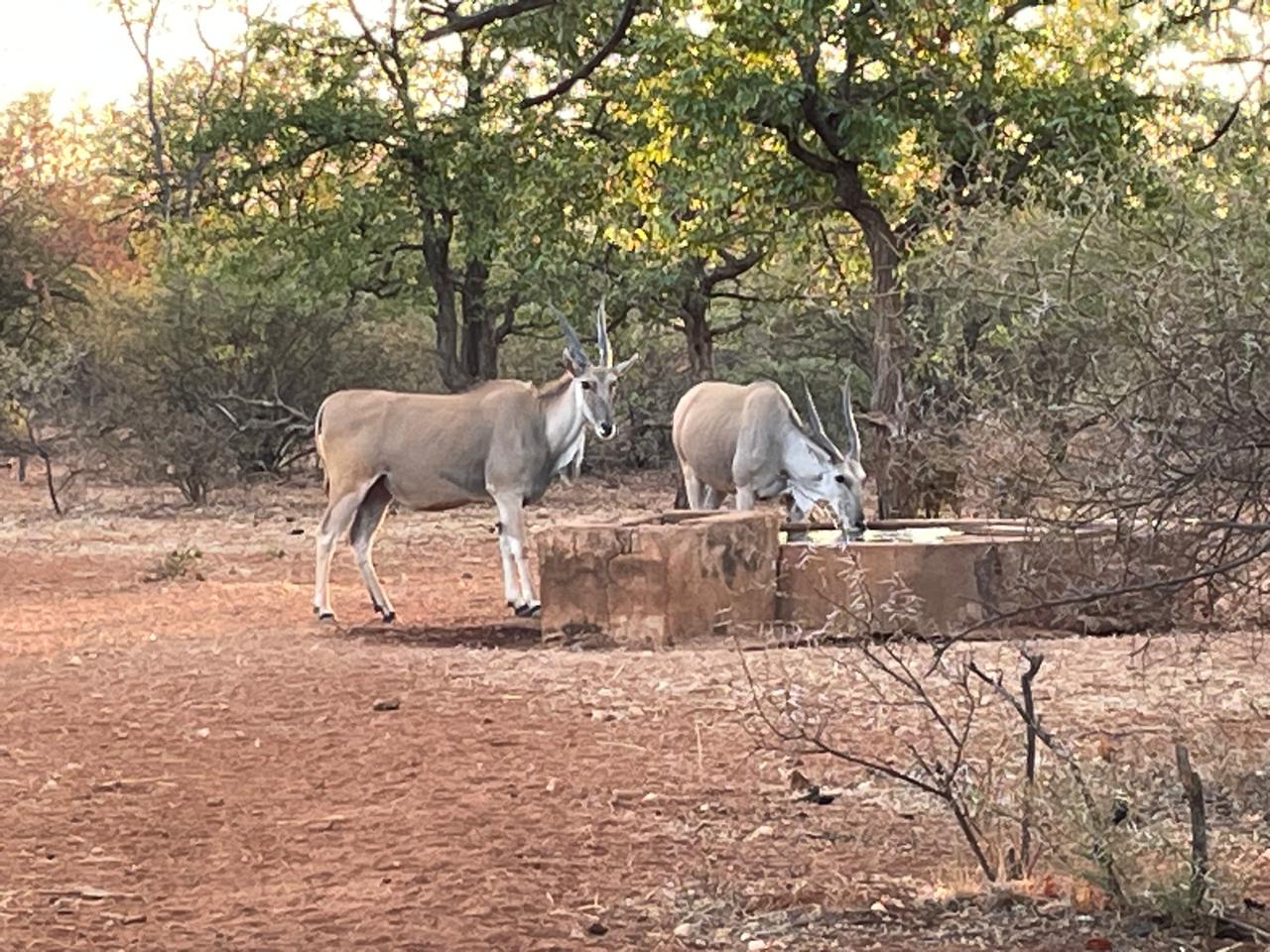
Including leopard, aardvark, honey badger, civet, genet (camera trap). Ungulates documented by sight and track.
For Researchers
Long-stay rates, documented biodiversity, and flexible logistics for university field teams and independent researchers.
Why researchers choose us
Long-stay rates available — weekly and monthly.
Kudu Rest Camp is quietly becoming a favourite field base for researchers — biodiversity surveys, ecology fieldwork, geology students passing through the Venetia region, and independents working on long-term projects. We offer affordable long-stay rates, self-catering chalets, and a property that itself is a living laboratory: 445 species logged in a single 14-day survey (February 2026), including leopard, aardvark, and honey badger on camera trap.
The living laboratory · 445 species
Every arc is a taxon; every dot on the outer ring is a species. Click to zoom, hover to see counts. The numbers come from a 14-day baseline survey in February 2026 and grow with every visiting team.
Click any arc to zoom · the center shows the group's species count.
Why field teams come back
In February 2026 we hosted an independent 14-day biodiversity survey. The documented species list came in at 445 — 24 mammals, 94 birds, 20 herps, 180+ invertebrates, 126 plants. That is the baseline; every subsequent visit has added species. For field teams the attraction is straightforward: three distinct habitats on a single 578ha property, a working lodge that accommodates the rhythm of field research, and a host (Henri) who understands why a crew needs breakfast at 4:30am.
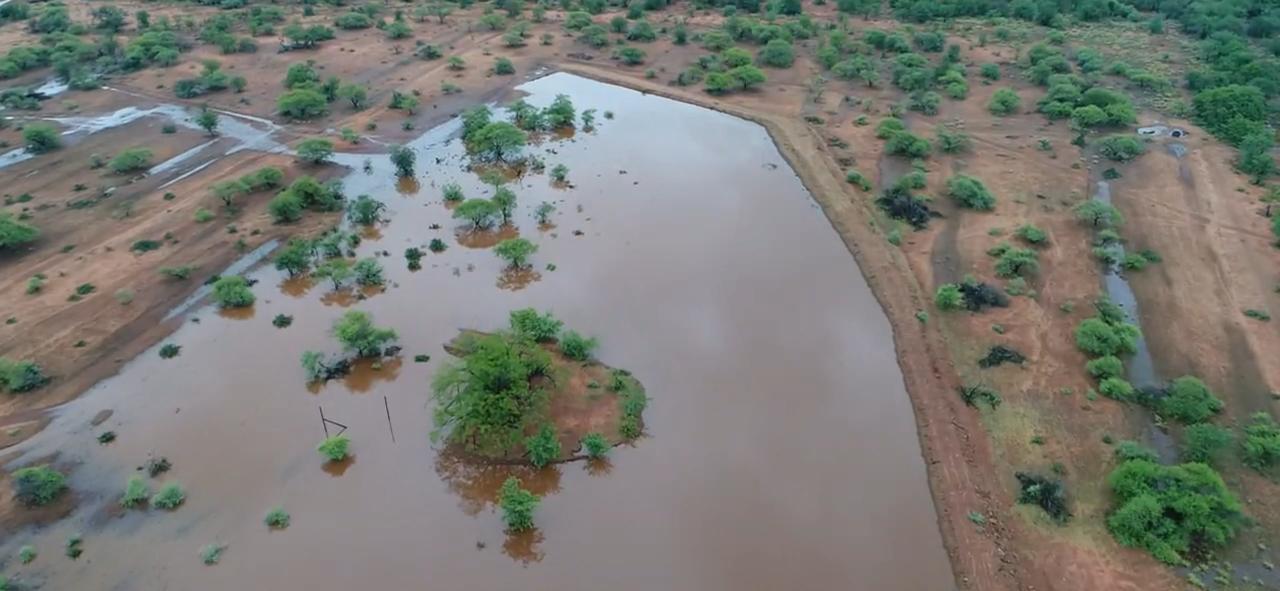
Habitats on the farm: mopane/thornveld flats (the dominant matrix), rocky hillsides with kopjes, and riverine vegetation along seasonal pans and drainage lines. Three habitats in a single 578ha footprint is a rare opportunity for comparative survey work.
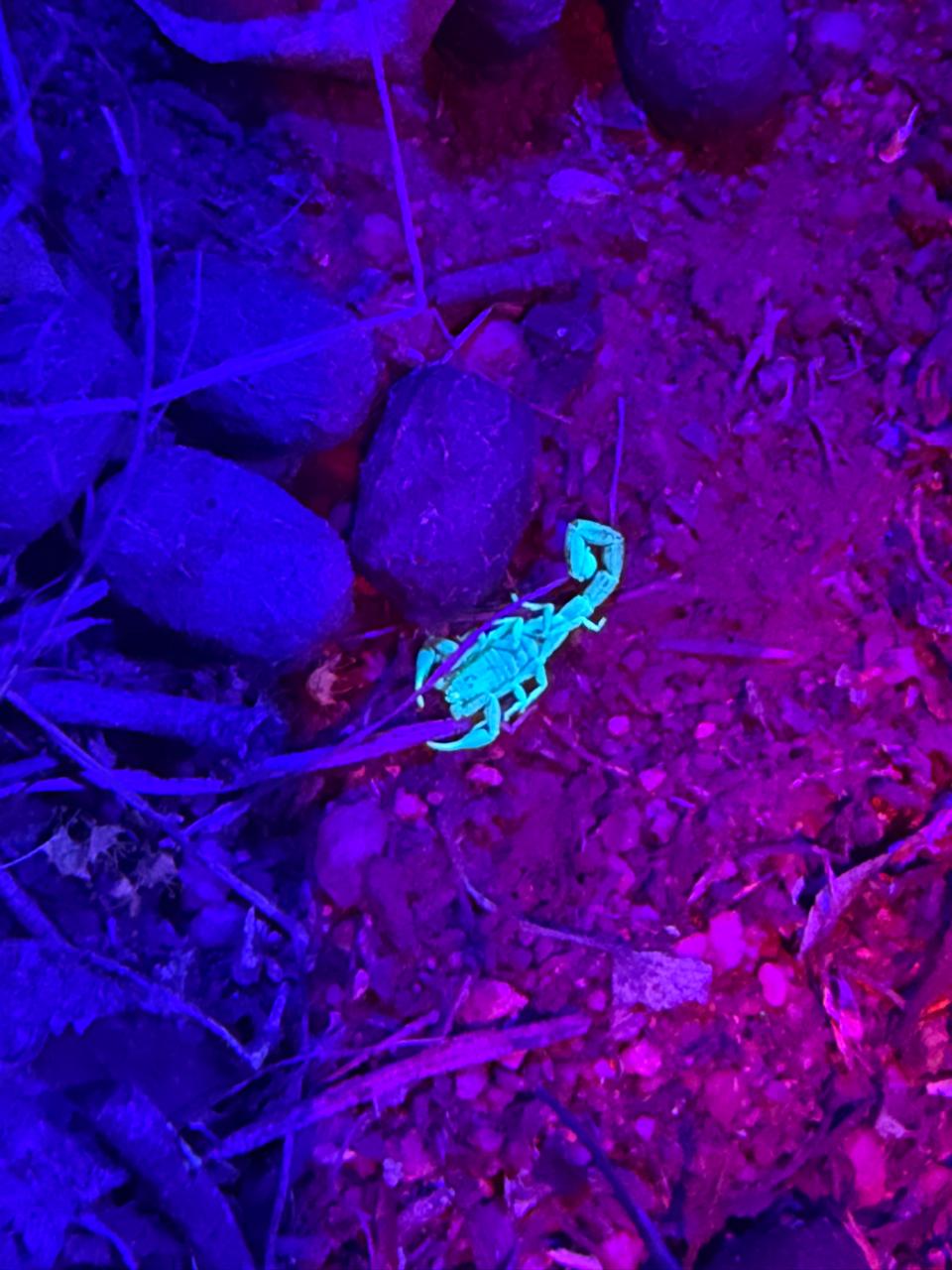
Camera-trap data from the 2026 baseline confirms leopard, aardvark, honey badger, African civet, small-spotted genet, caracal tracks, brown hyena scat, bushpig, warthog, kudu, eland, impala, blue wildebeest, nyala, duiker, vervet monkey, and chacma baboon. Herpetofauna documented includes Nile monitor, rock monitor, puff adder, Mozambique spitting cobra, flap-necked chameleon, and leopard tortoise. Invertebrate work logged 70+ butterfly species, Parabuthus and Opistophthalmus scorpions, and termite mound assemblages.
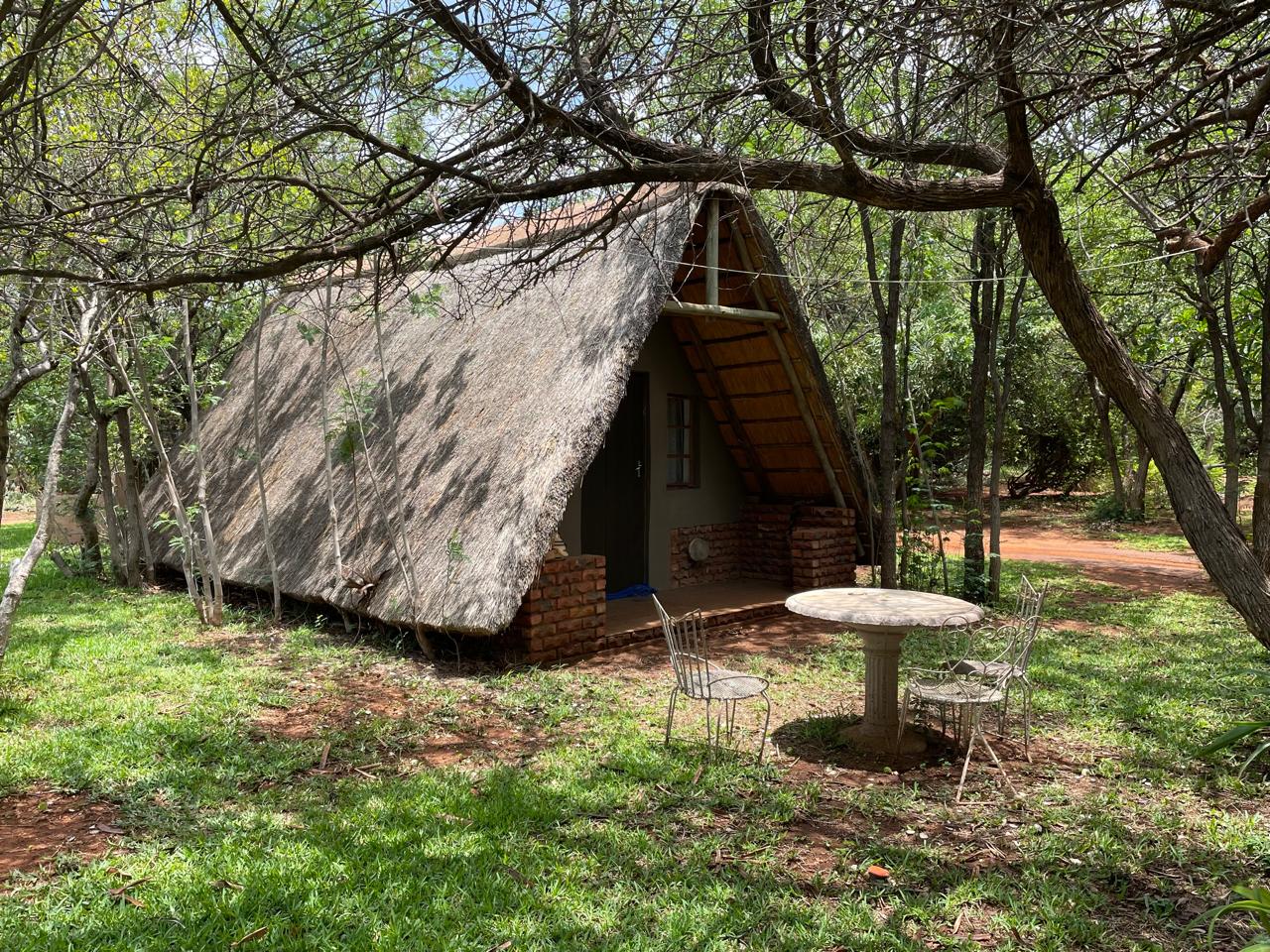
Logistics suit field teams. The long-stay unit and bushveld chalets can accommodate crews of up to 22 across various configurations. Self-catering means your schedule sets the pace — no rigid dining hall. Weekly laundry on monthly rates. Backup power through Eskom interruptions. Desk space and WiFi strong enough for remote conferencing, data upload, and cloud backup. The on-site restaurant kitchen is available for specimen workup off-hours by arrangement.
Academic partnerships welcome. We can provide formal invoicing, permission letters for site access, and research-rate quotes for institutional paperwork. For crews running camera-trap grids, pitfall lines, acoustic loggers, or ground-based plot surveys, we are happy to integrate with the property baseline project — all we ask is a data-share agreement at the end.
Field-work calendar
The climatic year shapes what is possible. Here is a quick guide to matching study type to season.
Insect diversity peaks. Breeding birds most conspicuous. Reptiles and amphibians active. Plants flowering and setting seed. Ideal for entomology, herpetology, pollinator work, plant phenology. Trade-off: thick vegetation makes mammal visual surveys harder; mud on tracks in heavy rain periods.
Mammals begin to concentrate as water dries. Ungulate rutting behaviour observable. Excellent for transitional-season work — species present but behaviour shifting. Weather ideal for long field days.
Vegetation thins dramatically — visual surveys, tracking, and camera-trap placement all easier. Animals concentrate at water. Geology fieldwork easier with open ground cover. Plant identification possible from bark and skeletal morphology. Winter nights 5–10°C, sharp and still.
We manage cool burns on select blocks in this window. Fire-ecology teams welcome to coordinate. Dry conditions also mean specimen preservation easier. Last of the mammal-concentration work before dispersal with the rains.
On the property
in a week.
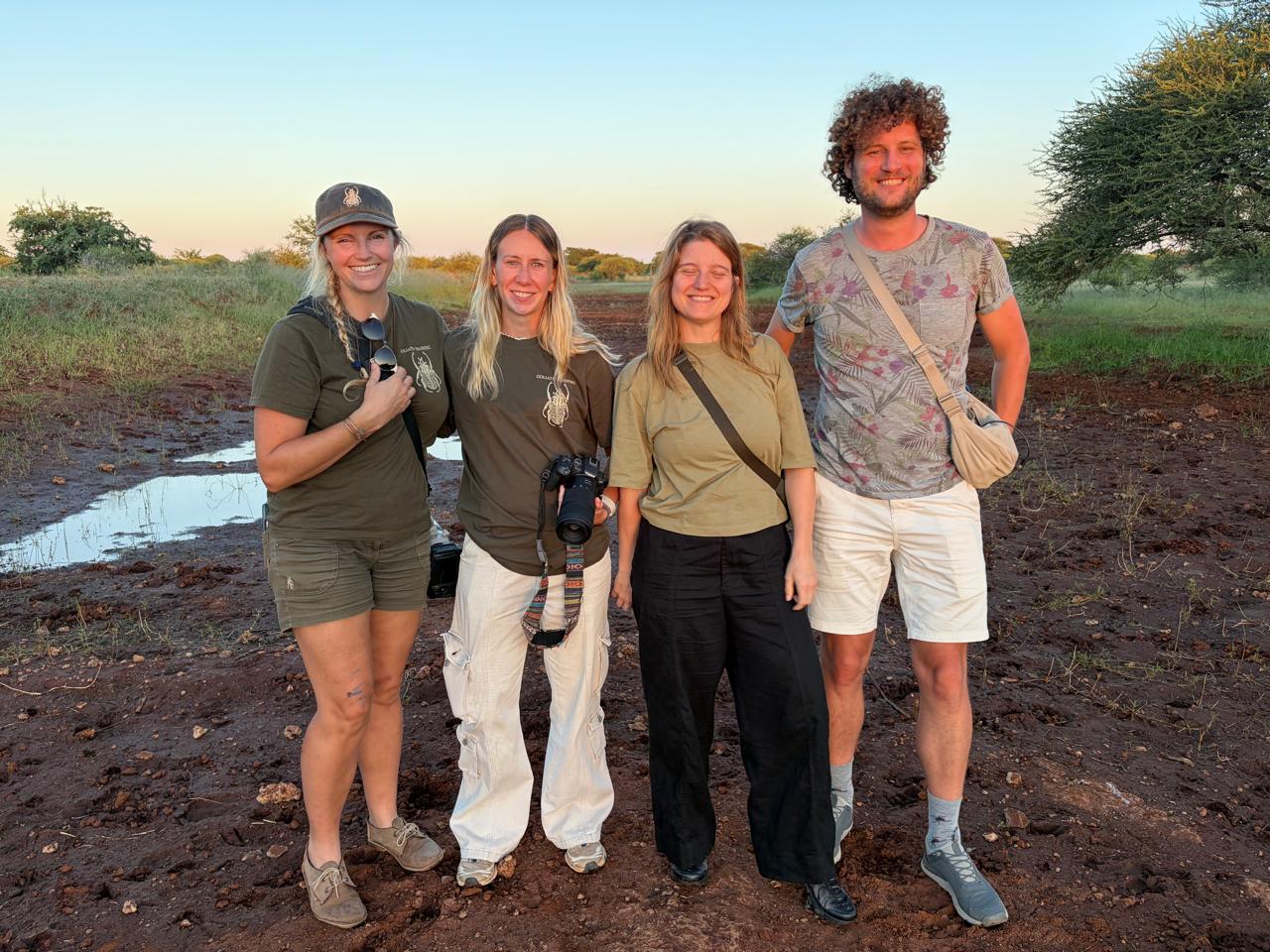
Researchers welcome
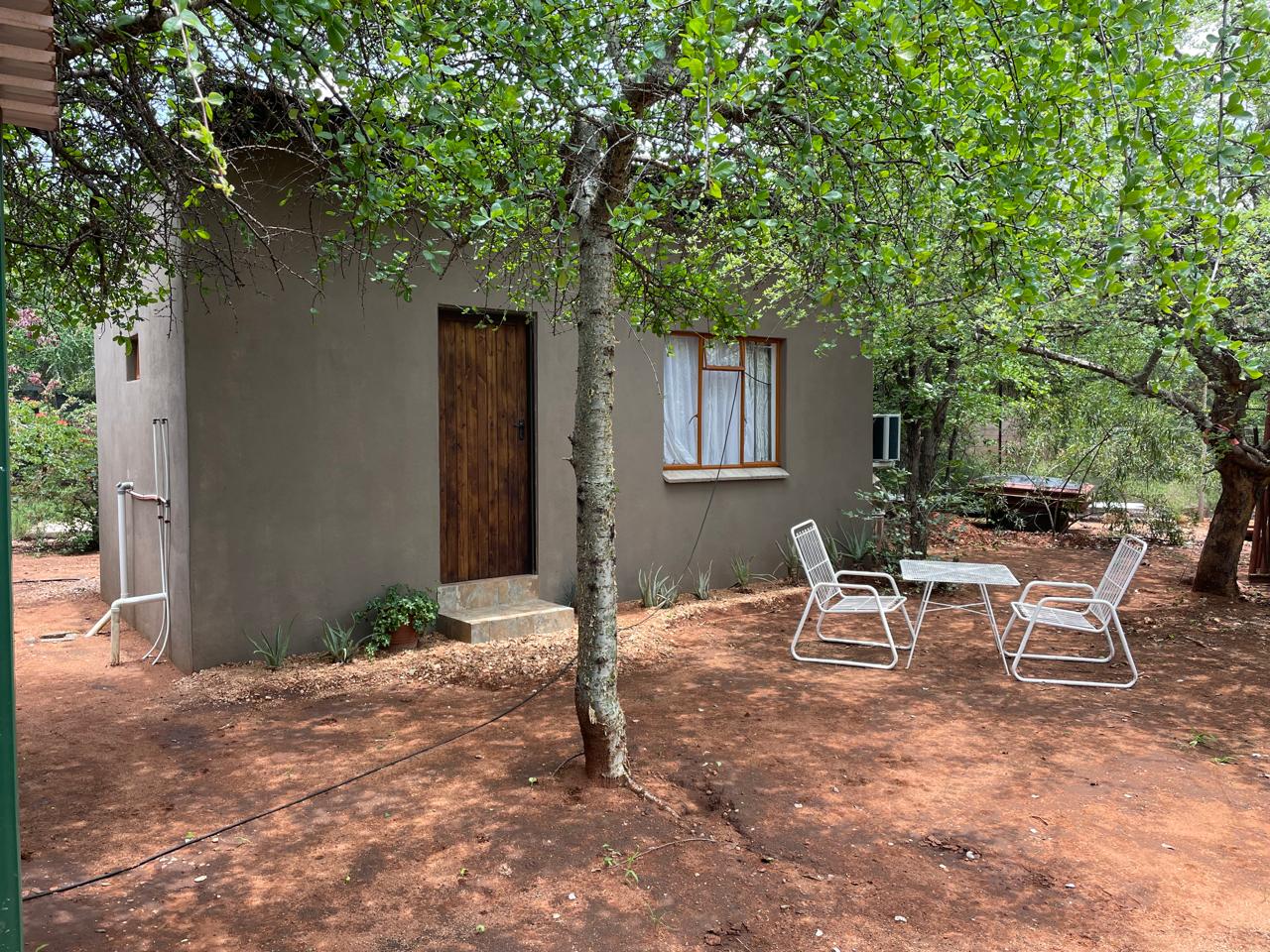
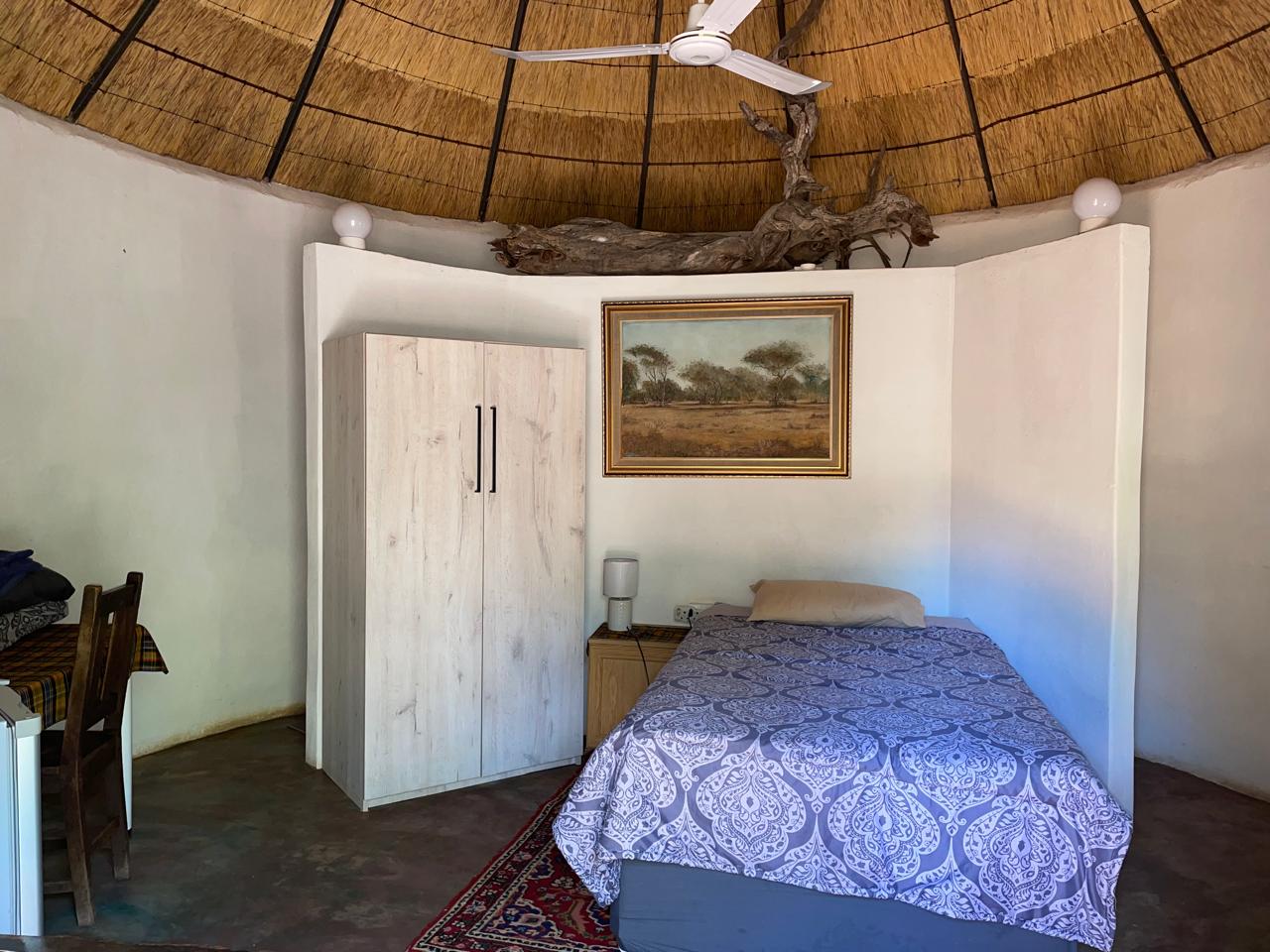
Comfortable chalets
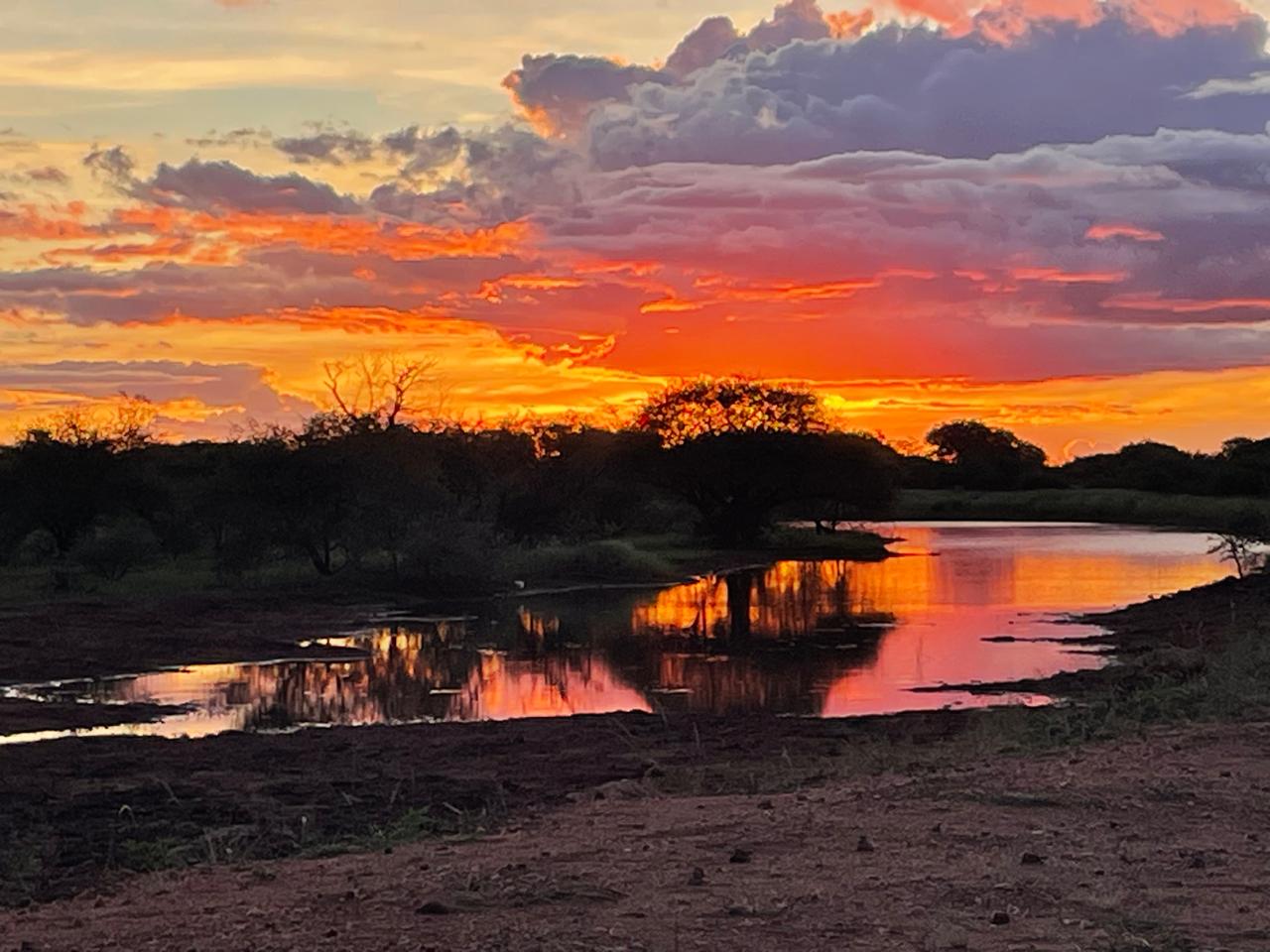
Bushveld sunsets Documented on the property
A summary of the Feb 2026 baseline survey, documented to academic-reference standard and available to visiting teams on request. The list grows with each visit.
Including leopard, aardvark, honey badger, civet, genet (camera trap). Ungulates documented by sight and track.
Covering residents and migrants. Extrapolated annual list likely 220+. Detailed list available.
Nile monitor, rock monitor, puff adder, Mozambique spitting cobra, flap-necked chameleon, leopard tortoise, and frog assemblages after rain.
70+ butterfly species, scorpion genera (Parabuthus, Opistophthalmus), termite-mound assemblages, spider morphospecies, beetles, Hymenoptera.
68 wildflowers, 31 trees (mopane, marula, leadwood, knobthorn, sickle-bush), 26 grasses.
Mopane/thornveld flats, rocky hillside, riverine pan-edge. Transects possible across all three within a day.
12 stations currently active. Data available to visiting crews as comparison baseline.
Venetia kimberlite geology 30km west; Mapungubwe archaeological landscape 1.5 hours.
Field-team logistics
Weekly rate roughly 25% off nightly. Monthly rate a further ~15%. Discuss at enquiry; institutional invoicing standard.
Dawn departures, midnight returns, packed lunches in the fridge. No dining-hall rigidity. Two of the chalets have larger kitchens if you're running a crew of 6+.
Strong enough for nightly data upload. ~20 Mbps at best, fine for CSV and photos; for video data we queue overnight.
Restaurant kitchen available after hours for specimen workup by arrangement. Good benches, good light, clean sink.
Full-size freezer at restaurant available for specimens (with notice). Bring your own labelling.
Farm bakkie available for site drops with the owner. Sedan access to 90% of the property; 4WD for the rocky sections.
We work within provincial ordinance. CITES species or listed taxa cannot be collected. Invertebrates, plants, non-listed material generally fine with your documented permit.
Musina (30 min) has a private hospital and vet. Polokwane (2.5 hours) for specialised care.
Night-work crew and pre-dawn departures fine — gate codes issued at check-in.
We invite visiting teams to contribute their species records to the property baseline, with full acknowledgement. Optional but appreciated.
On-site
facilities & comforts
Dedicated restaurant area with veranda, social space, bar and kitchen — also hosts private functions.
A proper bush bar for sundowners, cold drinks and firelit storytelling.
Pool with a shaded terrace — a welcome cool-off after a hot bushveld day.
Central firepit plus private braai at each chalet — the bushveld evening done right.
Reliable across camp — strong enough for Teams calls, streaming, and remote work.
Every chalet climate-controlled — sleep well through Limpopo summers.
On-site laundry for long-stay guests — included weekly on monthly rates.
Cooked breakfasts, packed lunches and evening meals on request — no need to cook every day.
Five purpose-built bow-hunting hides spread across the farm — ethical, fair-chase positions over waterholes.
On-property range to zero rifles and re-check scope settings before the hunt.
Game-fenced property with year-round hunting exemption — book the dates that work for you.
Gated, fenced 578 ha — kids, pets and contractors all rest easy.
Where we are
and hours from the ordinary.
Kudu Rest Camp sits in the Limpopo Province, in a malaria-free pocket between Musina and Alldays. A short drive from the Venetia Diamond Mine, within reach of Mapungubwe National Park, and about an hour from the Beitbridge border.
Researchers FAQs
answered here.
Yes. Combined unit capacity is 22 guests, ideal for a field course. Main residence plus bushveld chalets typically works best for a crew of 15–20.
Yes — research-rate quotes with full VAT breakdown, permission letters for site access, and site-access agreements where useful. We have hosted several universities and can reference their bursar's office on request.
Acoustic loggers, camera traps, pitfall traps, weather stations — all fine. For longer-term installations (weeks+), we coordinate placement to protect equipment from wildlife and to avoid hunting windows.
Yes, subject to your own research permit. Non-listed taxa are straightforward. We ask for a species list at the end of the visit to add to the property baseline.
Farm is game-fenced — no predator incursions. Guide available for after-dark transects if crews prefer. Cell signal is workable across most of the property.
Voluntary — we invite crews to share species records back to the property baseline at the end of their visit. Full attribution in any onward publication or reference we use. No restriction on your own publication rights.
Basic weather logging on property (temp, humidity, rain). Data available on request for the last three years.
Henri (owner) knows the local mine contacts well. Educational tours have been arranged in the past for geology students — not guaranteed, but often possible with 4+ weeks' notice.