Greater Kudu
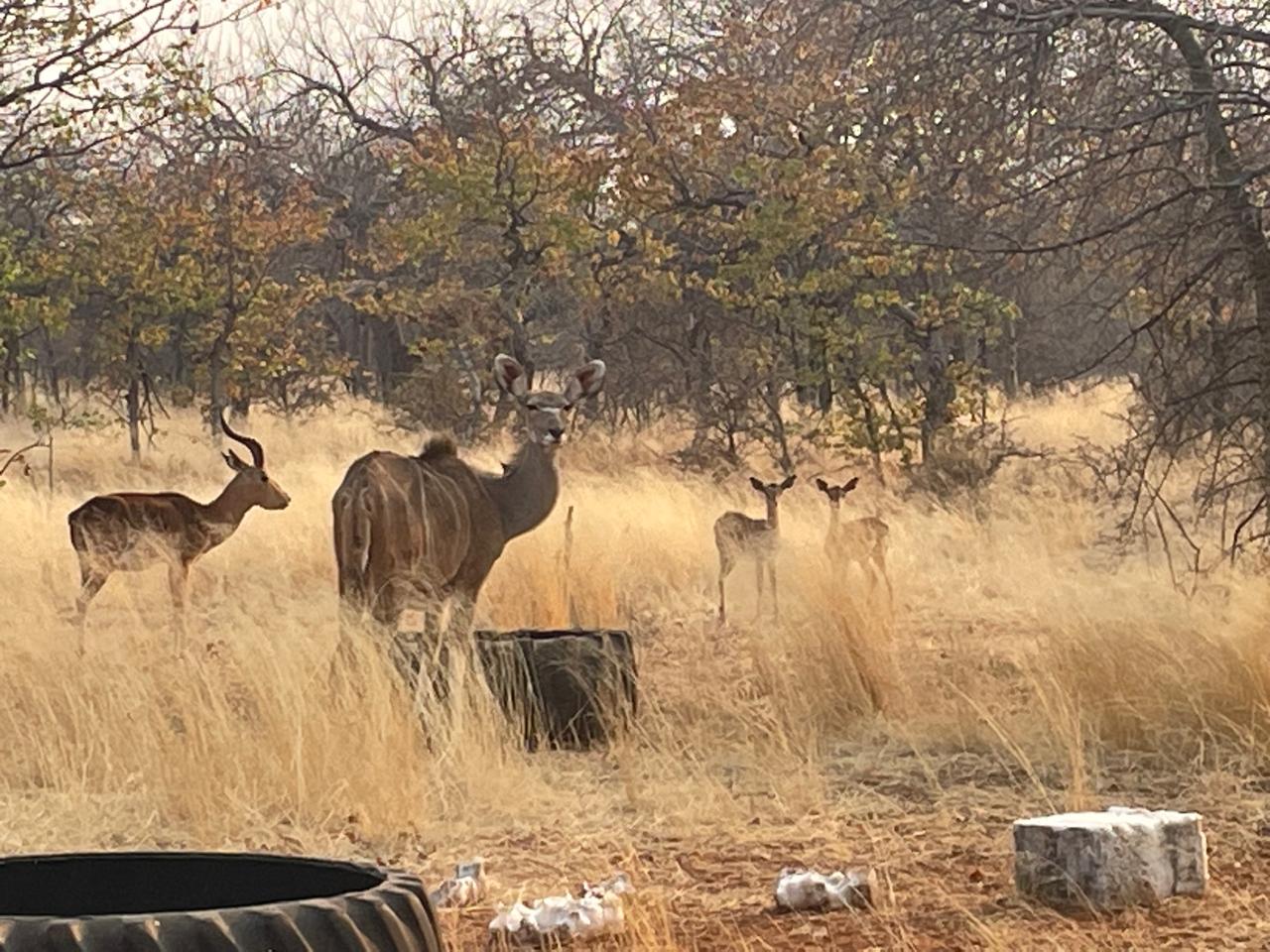
The farm's namesake and signature trophy. Bulls mature at 6+ years. Peak rut: June–July. 120cm spiral horns are the target class.
For Hunters
Private, fair-chase hunting on a well-managed Limpopo game farm minutes from the Zimbabwe border.
Why hunters choose us
Flexible rates — short breaks and long stays welcome.
Kudu Rest Camp offers hunters a genuine bushveld experience on a 578 ha game-fenced property with year-round hunting exemption. Five purpose-built bow-hunting hides overlook active waterholes, and an on-property shooting range lets you zero rifles before the first morning. Huntable game on the farm includes kudu, eland, blue wildebeest, impala, nyala, duiker, bushpig, vervet monkeys, and baboons.
The farm, the game, the standards
Kudu Rest Camp holds a standing year-round hunting exemption from provincial authorities — which means we hunt when you can travel, not when a short official season says we can. The 578ha property is fully game-fenced, actively managed, and has been stocked and sustained for exactly this purpose.
Five bow-hunting hides sit over active waterholes — positioned so the prevailing wind works in your favour morning or afternoon. Each hide is built for quiet entry, has shaded shooting windows, and is within a 15-minute walk of the road. Fresh sign is checked before each hunt: if a hide is cold, we move you.
The on-property shooting range lets you confirm rifle zero Friday afternoon and be hunting Saturday morning. Positions at 25, 50, 100, and 200m cover every practical field shot on the farm. Bring ammunition; we can source ahead of time on request for common calibres.
Huntable game on the farm: kudu (the namesake — and the crown jewel, particularly in the June–July rut), eland, blue wildebeest, impala, nyala, common duiker, bushpig, warthog, vervet monkey, chacma baboon. Numbers are managed season to season — we'll be honest about what's in good condition and what isn't before you book.
Ethics are non-negotiable. Fair chase, sober shooting, clean kills, full utilisation of meat and trophies. No canned conditions, no enclosed killing, no pressure shots. If the shot is not there, we wait or we walk. The property is large enough that genuine hunting is possible; we keep it that way on purpose.
Trophy handling is on-site to skin-and-salt standard. Local dipping-and-packing partners handle export paperwork and taxidermy referrals. Most clients complete the administrative side in 4–6 weeks after the hunt.
When to hunt what
Year-round exemption means you pick the dates — but game condition, weather, and rut timing make some months better than others for specific species.
Grass is tall, animals dispersed, water everywhere. Hunting shifts to early mornings. Impala in good numbers — lamb-season activity high. Not peak trophy season, but quality meat hunting.
Green bushveld starts to yellow. Animals begin to favour predictable drinking. Bow hides become productive again. Bushpig increasingly active at dusk.
Cool mornings, comfortable days. Kudu bulls start moving pre-rut. Eland herds form. First serious trophy window of the year begins.
Kudu bulls roaming between cow groups. Blue wildebeest in defined territories. Weather ideal — 25°C days, 12°C nights. Popular hunt month — book 2+ months ahead.
Bushveld thinning. Water concentrating. Bow hides at peak. Duiker visibility improves dramatically. Nyala bulls colour up for the season.
The hunt season. Kudu bulls are at their heaviest, horns fully mature, and breaking cover in daylight. Blue wildebeest herds settled on the flats. Eland active. Cold mornings (5°C) warm to beautiful 22°C days. If you're hunting kudu, this is the month.
Rut continues. Visibility exceptional. All species huntable, all in peak condition. Coldest dawns of the year; pack layers. Often fully booked — plan well ahead.
Temperatures climbing back. Last of the rut window. Nyala in peak colour. Impala rams approaching pre-rut condition. Still an excellent month for bow hunters as water remains concentrated.
Dust on roads. Water still the central factor — bow hides extremely productive. Trophy quality shifts as animals lose condition pre-rain. Warthog boars active in daylight.
Hottest pre-rain month. Animals tied tight to water. Bow hides bear fruit at every sit. Plan around 4am starts — it's 35°C by 10am.
Early thunderstorms scatter game. Trophy season is winding. Still productive for meat hunts and culling. Late-November hunts increasingly uncertain as rain patterns build.
Greens up fast. Most international hunters are home for the holidays. We run limited culling operations and family hunts. Not a trophy season by preference.
On the property
in a week.
Hunters welcome
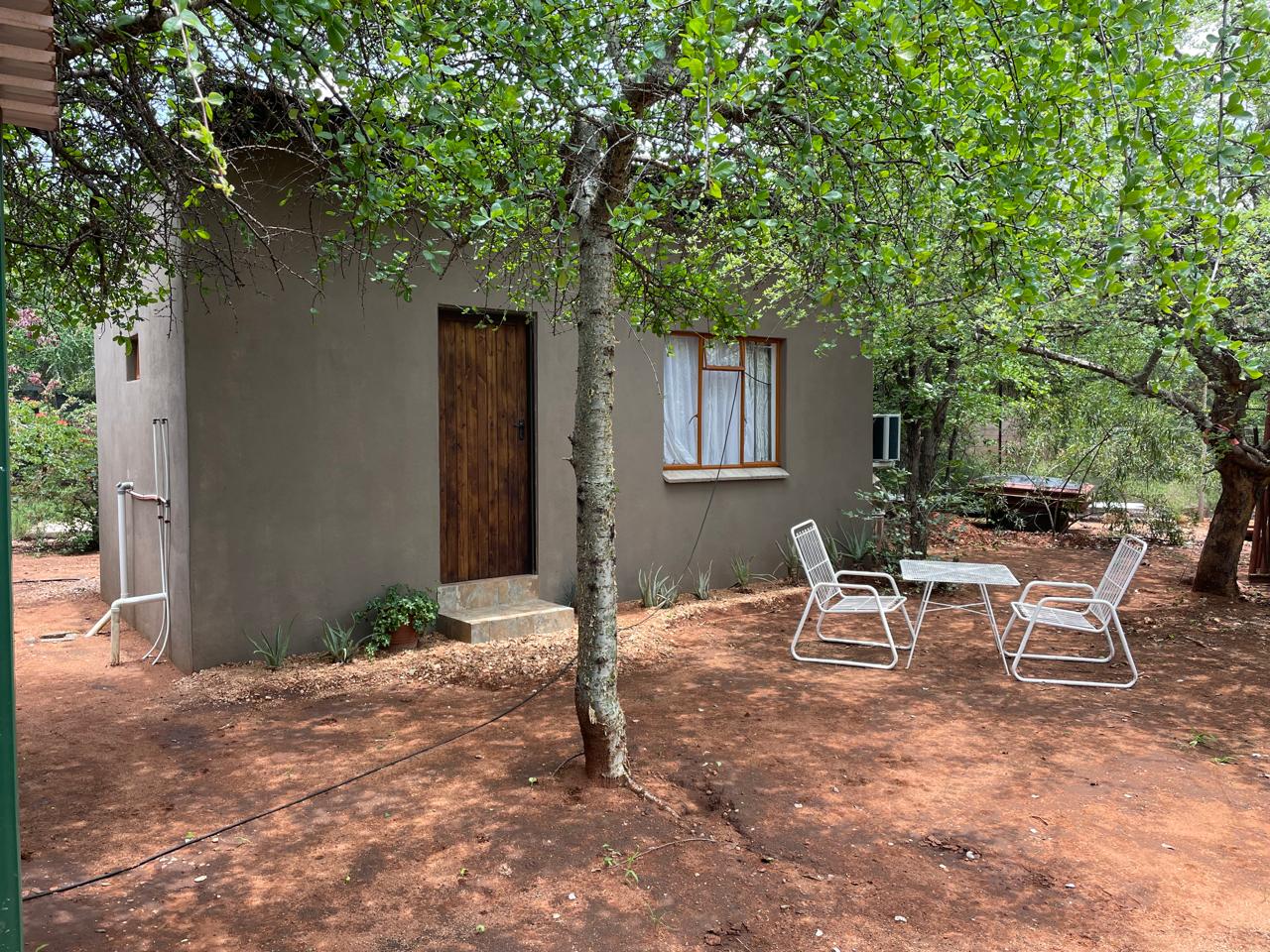
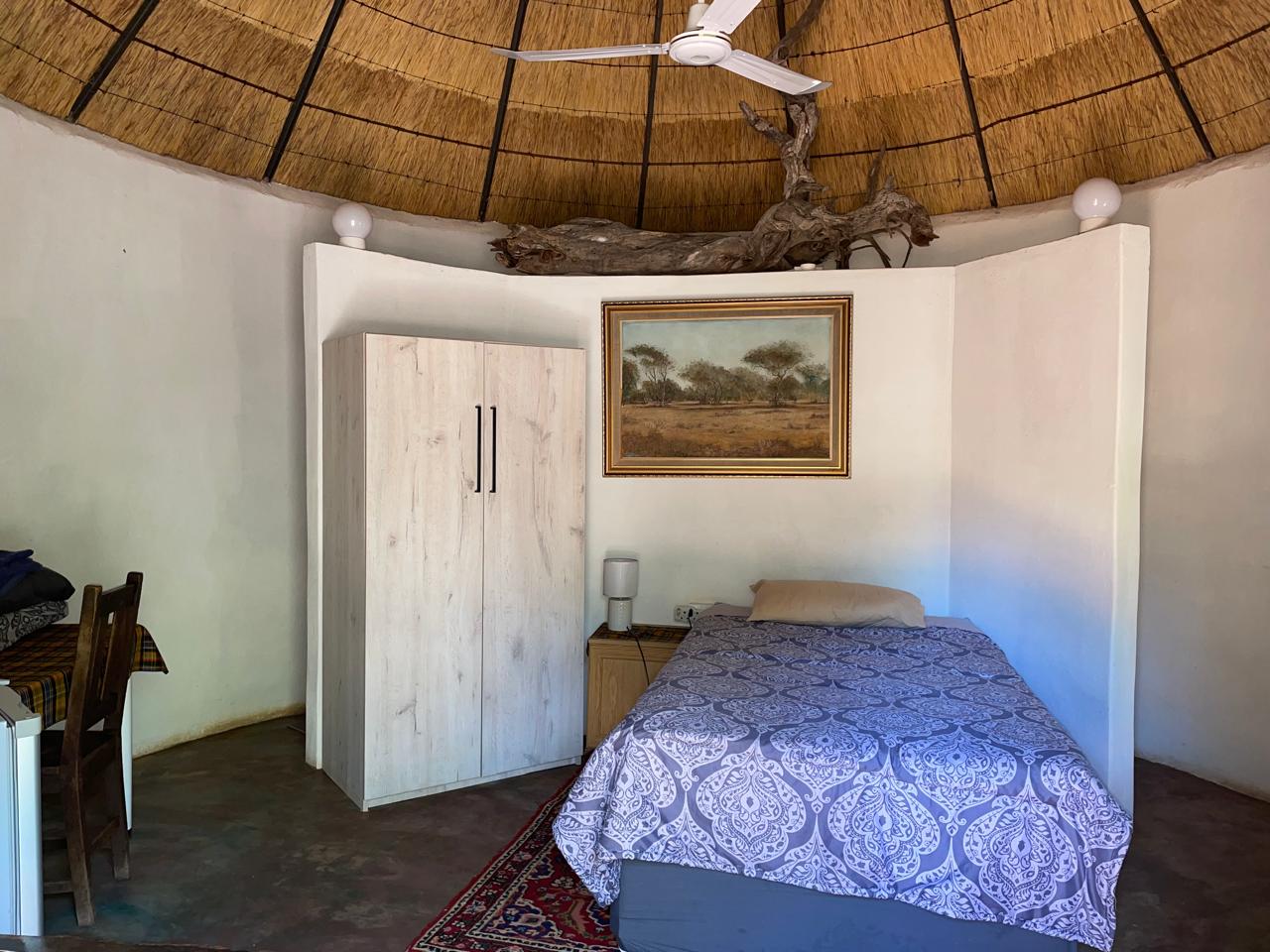
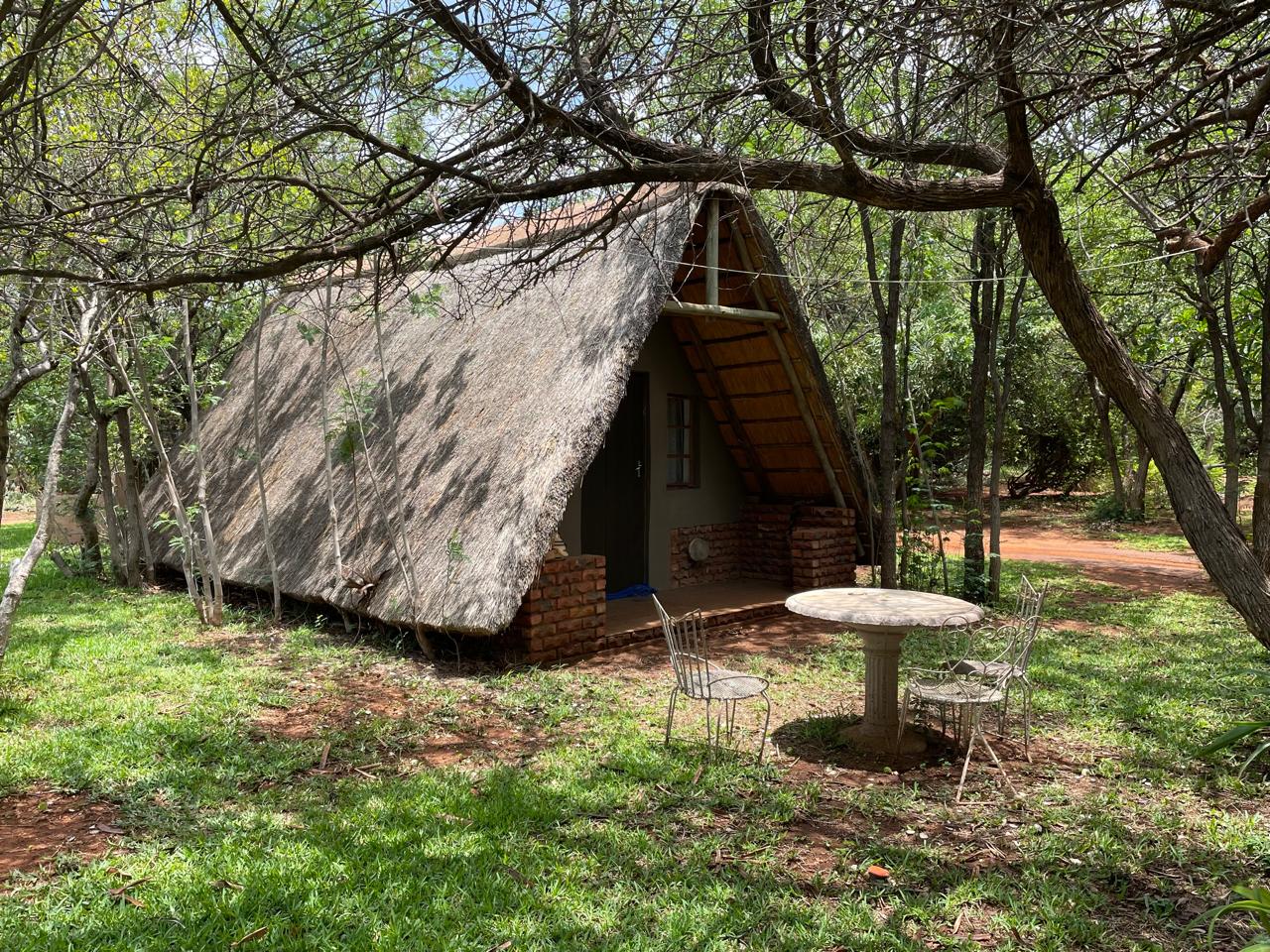
Comfortable chalets
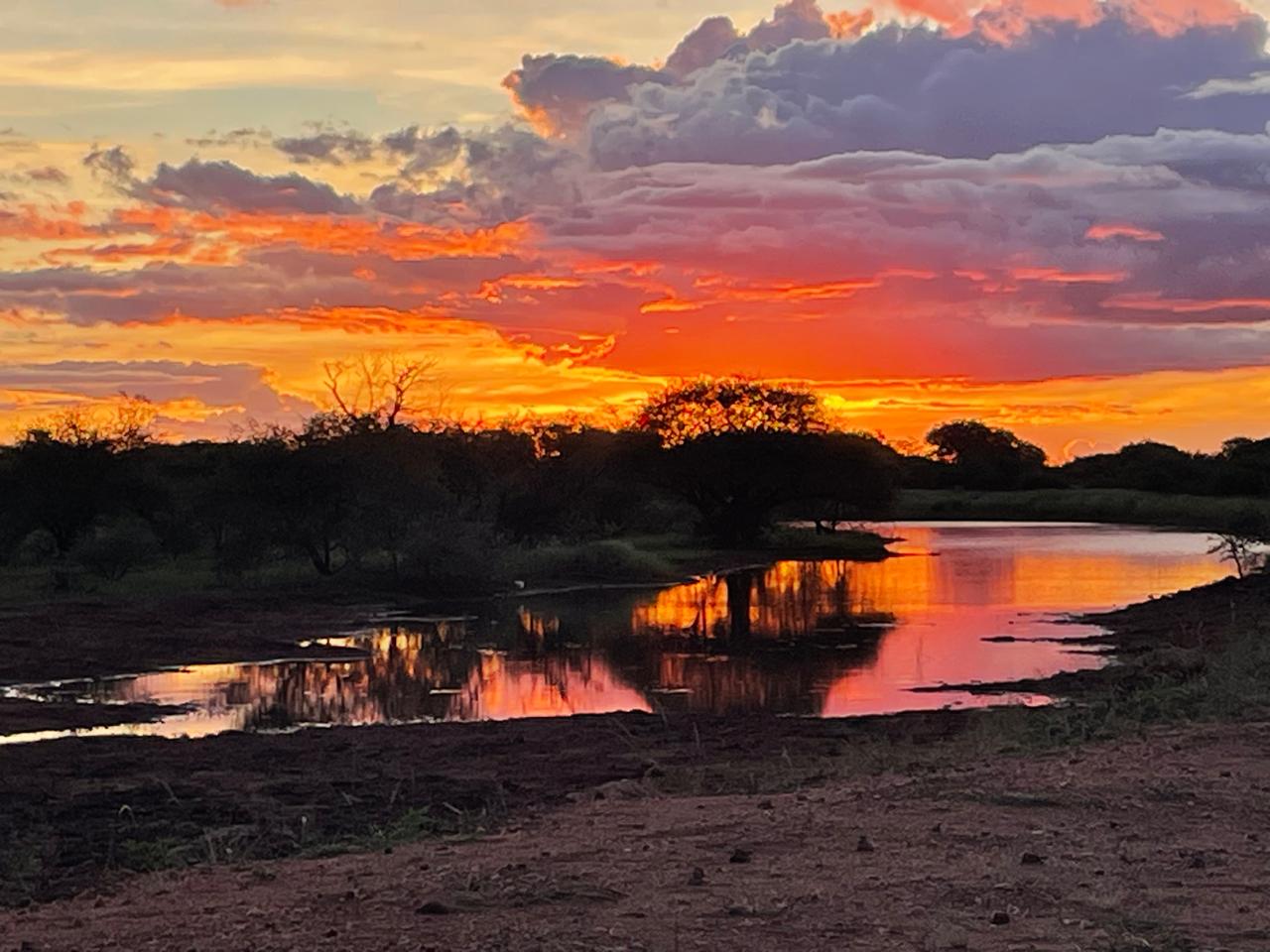
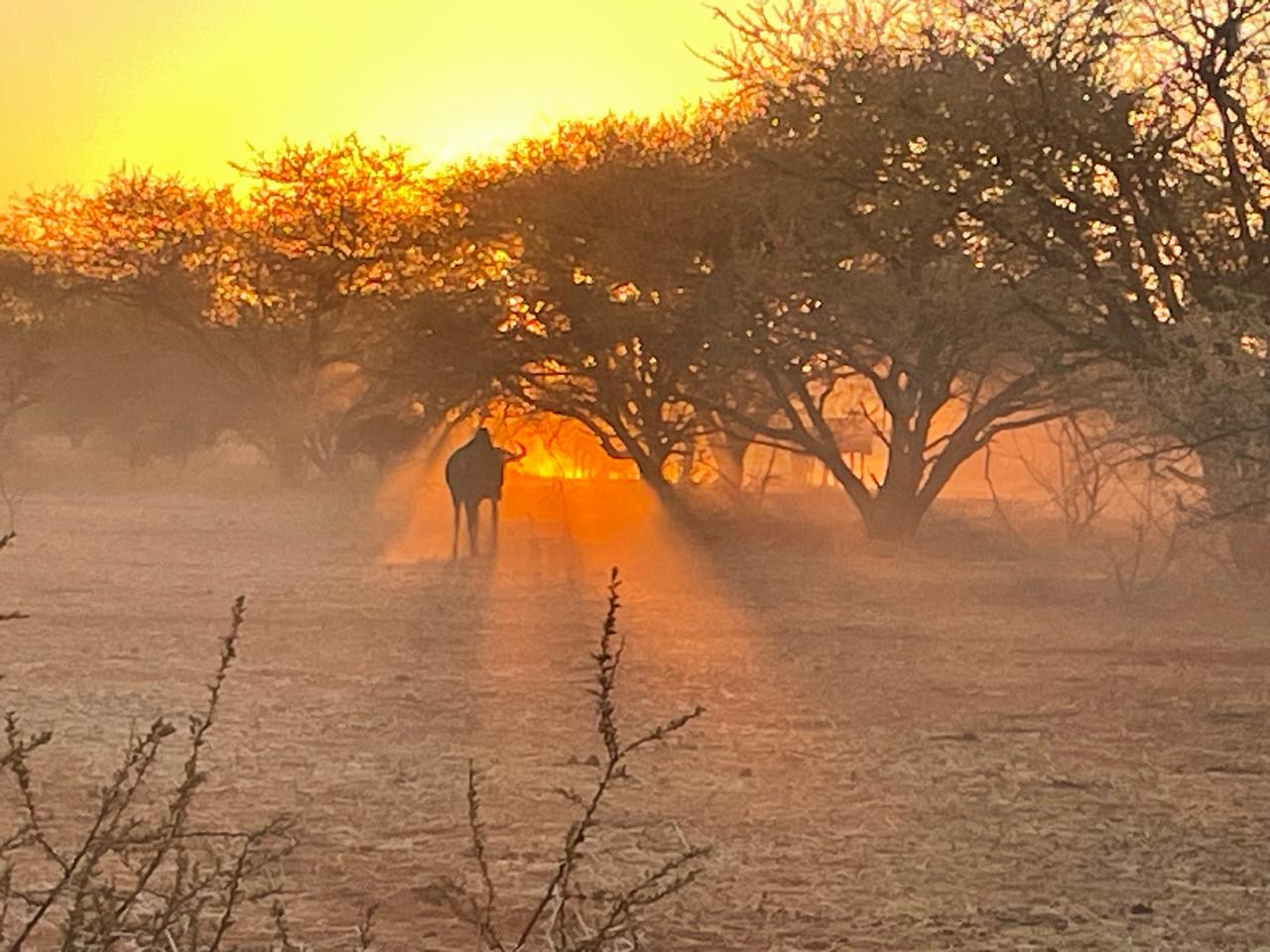
Bushveld sunsets Huntable on the property
These are the species available on the farm. Quotas are set season to season by the owner and the game management plan — we confirm what is available when you enquire.
The farm's namesake and signature trophy. Bulls mature at 6+ years. Peak rut: June–July. 120cm spiral horns are the target class.
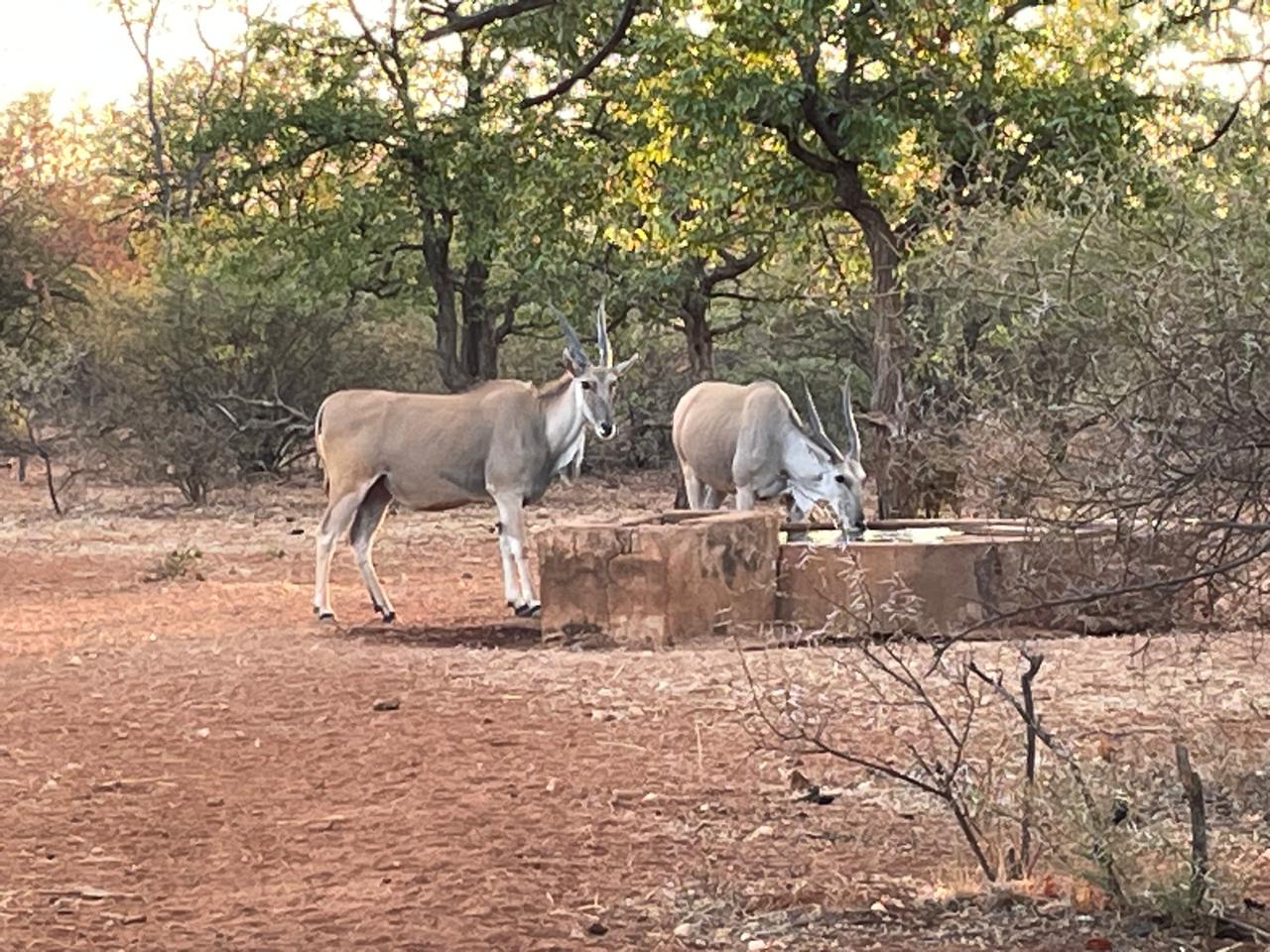
Africa's largest antelope. Bulls well over 700kg. Herds work the open flats. Demanding to stalk; a serious trophy.
Herds across the property. Bulls hold territory in winter. Widely considered one of the best entry-trophy species.
Year-round, abundant. Excellent first-hunt species and meat source. Rams colour up late April through June.
Bulls prefer riverine thicket and edges. Pre-rut colour peaks April–August. Stunning trophy in right light.
Small, solitary, crepuscular. Pre-dawn and late afternoon. A trophy for the patient.
Nocturnal. Hunted from blinds at baited stations with written permission. Challenging and rewarding.
Daylight active. Old boars root the edges of pans and roads. Surprisingly good eating.
Farm-management quota. Permit-controlled; responsible population management only.
Farm-management quota. Numbers set annually. Responsible hunting practice required.
Before you travel
Standard for bringing a rifle into South Africa. We walk you through the paperwork 8 weeks ahead. No cost, but allow time.
.270 Win, .30-06, 7mm Rem Mag, .300 Win Mag all excellent across the species list. For eland a heavier bullet (180gr+) is sensible. Bow hunters: 60+ lb draw, broadhead of choice.
Fly into JNB or Polokwane. Drive is 5–6 hours from JNB, 2.5 hours from Polokwane. Arrive Friday afternoon; zero Saturday morning; hunt Saturday afternoon onwards.
Skin-and-salt on-site. Dipping-and-packing via local partner (Musina). Expect 4–6 weeks to complete export paperwork from hunt date.
Bring factory ammunition where possible. If you need South African-market ammunition, we can often source ahead with 4 weeks notice.
Earth tones only — greens, browns, tans. Avoid black. Winter: pack a fleece and gloves for 4am starts — it drops to 5°C. Summer: lightweight and breathable, long sleeves for insects.
Non-hunting companions stay at the same rate. Many partners birdwatch, stargaze, read. The property's varied activities keep everyone occupied.
Both options work here. Discuss with the guide on arrival — morning walk-ups for eland and wildebeest, afternoon hide sits for bow hunters.
On-site
facilities & comforts
Dedicated restaurant area with veranda, social space, bar and kitchen — also hosts private functions.
A proper bush bar for sundowners, cold drinks and firelit storytelling.
Pool with a shaded terrace — a welcome cool-off after a hot bushveld day.
Central firepit plus private braai at each chalet — the bushveld evening done right.
Reliable across camp — strong enough for Teams calls, streaming, and remote work.
Every chalet climate-controlled — sleep well through Limpopo summers.
On-site laundry for long-stay guests — included weekly on monthly rates.
Cooked breakfasts, packed lunches and evening meals on request — no need to cook every day.
Five purpose-built bow-hunting hides spread across the farm — ethical, fair-chase positions over waterholes.
On-property range to zero rifles and re-check scope settings before the hunt.
Game-fenced property with year-round hunting exemption — book the dates that work for you.
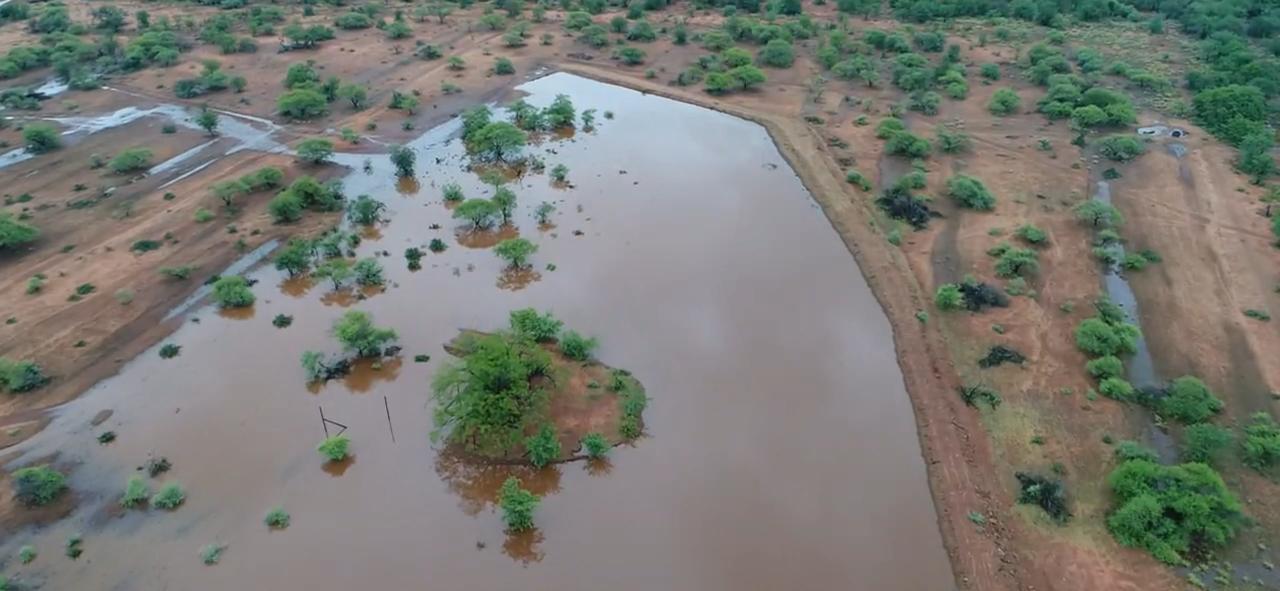
Gated, fenced 578 ha — kids, pets and contractors all rest easy.
Where we are
and hours from the ordinary.
Kudu Rest Camp sits in the Limpopo Province, in a malaria-free pocket between Musina and Alldays. A short drive from the Venetia Diamond Mine, within reach of Mapungubwe National Park, and about an hour from the Beitbridge border.
Hunters FAQs
answered here.
We operate under year-round provincial hunting exemption. Functionally that means you pick dates that suit the species you want, not dates set by a regulator. April–August is peak for most trophy work; bow hunters often prefer September–October.
Yes — bow hunting is a large part of what we do. Five purpose-built hides over active waterholes. 60+ lb draw recommended for plains game; 65+ lb for eland.
Common calibres yes, with 4 weeks notice. Exotic or premium loads: bring your own. South African ammunition market is limited by import controls.
Dipping-and-packing partners in Musina handle everything post-hunt. They liaise with your shipper, taxidermist, and destination country. 4–6 weeks average from hunt to paperwork completion.
Absolutely — same daily rate, and the camp has plenty for them. Birding, stargazing, walking, pool, Mapungubwe day trips.
Yes, 578 hectares fully game-fenced. Not a canned operation — the acreage is more than adequate for genuine fair-chase hunts on all listed species. Animals can and do evade.
Dedicated on-property range at 25, 50, 100, and 200m. Sandbag rest available. Open daylight hours for sighting-in and cold-bore confirmations.
Yes — daily rates, trophy fees, and ancillary charges quoted at the enquiry stage. We itemise so there are no surprises on departure.