Wildlife & Landscape Photographers at Kudu Rest Camp

For Photographers

A Farm Where You Set the Shot List

Golden hour without a tour group, hides over active waterholes, and bushveld light that shifts by the week — a photographer's working property.

Why photographers choose us

Wildlife & Landscape Photographers

Flexible rates — short breaks and long stays welcome.

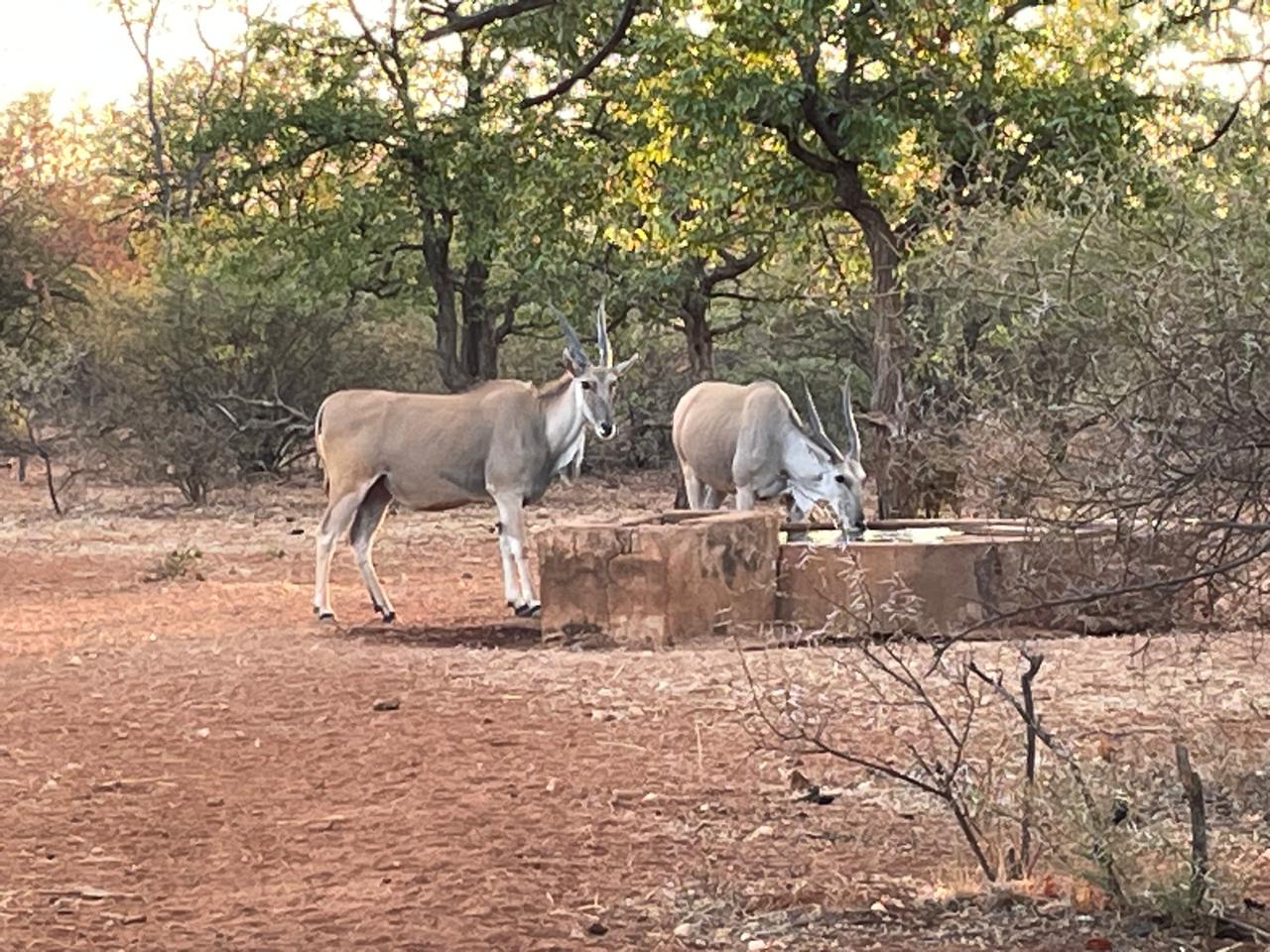
Kudu Rest Camp is a working game farm, not a safari concession — which means you plan the shoot, not a lodge manager. Five hides over active waterholes give you concealment for long-lens work. The farm roads are yours at 4am and 8pm. Resident wildlife includes kudu, eland, blue wildebeest, impala, nyala, warthog, and the full suite of bushveld birds — with leopard, aardvark, civet, and honey badger on camera trap. Add Bortle 2 skies for landscape and night-sky work, and you have a photographer's farm.

  • Five hides over active waterholes — bookable for full-day sits
  • 578 ha of mixed mopane, thornveld, rocky kopje and riverine habitats
  • Private access — dawn and last-light roads are yours alone
  • 220V power at chalet patios — charge fast, edit at night
  • Bortle 2 night skies — Milky Way shots without leaving camp
  • Henri and staff know the farm light by the week

We don't run a workshop — but we'll hand you the gate keys at 4am and a coffee thermos at sunrise. The farm is yours to work: hide sits, walk-ups, bakkie drives, night-sky sessions. Show us what you made when you come in for breakfast — we keep a wall for images guests give us.

— Henri, owner

The light diary · 22°S, 29°E

A sun-path planner for every day of the year.

Drag the date to see how the sun arcs across the farm's sky through the year. The shaded bands are your golden hours and blue hours. Sun comes up south of east in summer, north of east in winter — and always passes through the northern half of the sky at noon because we're in the southern hemisphere.

30° 60° overhead N S E W NE NW SE SW

North at top. The sun's arc passes through the north — this is the southern hemisphere.

Built for access

A property that works around your light. not a tour schedule, a farm with keys.

Most lodges run on their own clock — game drives at fixed times, meals when the kitchen says, a guide who decides where you sit. Kudu runs the opposite way. Plan your day around the light; we'll work around you.

Five bow-hunting hides double as photography blinds outside of hunting windows. Each is on an active waterhole, built for silent entry, with shooting windows at multiple heights for tripod or hand-held work. You can sit a hide from 4:30am through mid-morning, or drop in for last light from 4pm through sunset. We'll drop you and collect you on request — no walking back in the dark.

Subject list is real. Kudu (the farm's namesake — trophy bulls at water in June–July), eland (Africa's largest antelope, morning on the flats), blue wildebeest herds, impala (abundant year-round), nyala bulls in riverine thicket, duiker, warthog, bushpig (nocturnal — a real trophy on the SD card), vervet, baboon. Giraffe are visible most days on neighbouring unfenced ground. Leopard, aardvark, honey badger, African civet, small-spotted genet documented on camera trap — not daily visuals, but present.

Bird list is 94 species logged in 14 days, extrapolated 220+ annually. From hide sits you can photograph Lilac-breasted Roller, Purple Roller, all three hornbill species, Double-banded Sandgrouse at dusk, Pearl-spotted Owlet in daylight, Kori Bustard on the open eastern flats. Summer migrants (Oct–Mar) add European Bee-Eater flocks, Jacobin Cuckoo, Woodland Kingfisher, Violet-backed Starling.

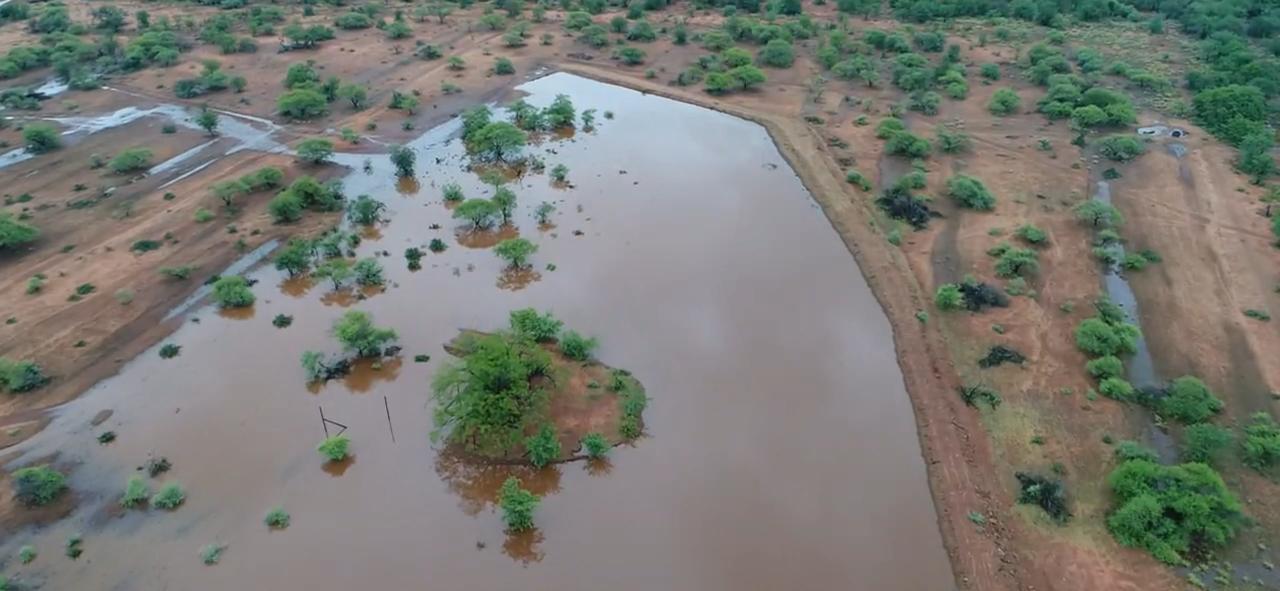
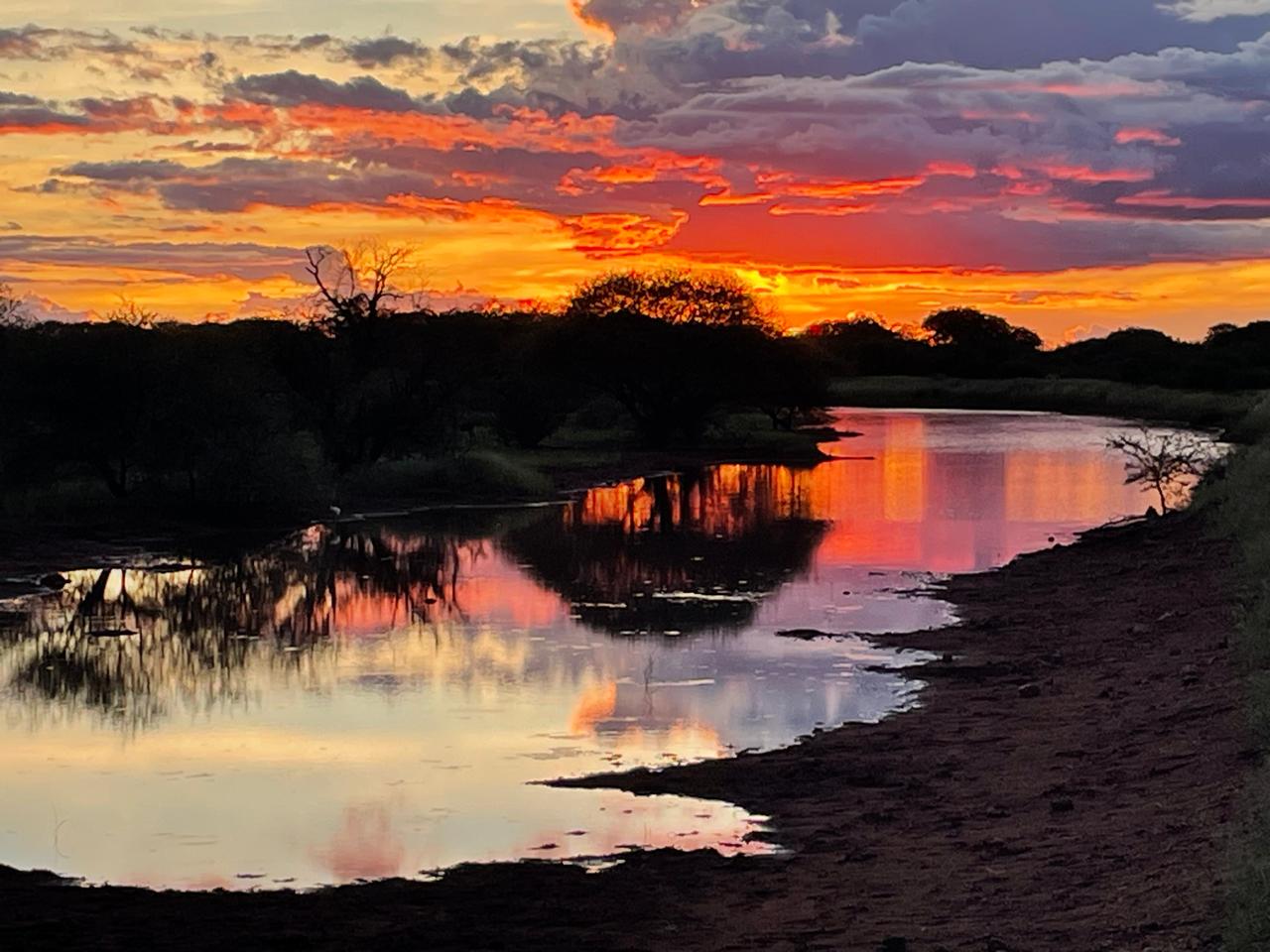
Landscape here is classic Limpopo — mopane flats with thornveld ridges, rocky kopjes, seasonal pans that fill and drain, and storm skies that build over the Soutpansberg in summer. Winter gives you golden grasses, bare marula silhouettes, long shadows. Summer gives you green drama — lush bushveld, thunderheads, reflective pans. Night sky is Bortle 2 (detailed on our stargazers page) — Milky Way core over a lone baobab is a specific target several guests have come back for.

Practical matters. Sedan access year-round — no 4WD required. High-clearance helpful for the rocky eastern section on request. Dust is real in the dry season — bring blower, sensor swabs, and a rain cover that doubles as a dust cover. WiFi at the deck handles 20–30 GB of uploads per night; bring external drives for bulk backup. 220V power at every chalet patio — Type M plug for South African sockets. Coffee thermos at 4am from the kitchen with one night's notice.

Month by month

What the light looks like.

The bushveld year has two main photographic characters — wet summer and dry winter. Each has its own light, its own subjects, its own constraints. Here is what each month brings.

  1. 01 January

    Peak green, storm drama

    Lush bushveld at its most verdant. Impala lambs everywhere. Thunderstorms build most afternoons — electric skies and dramatic rain-cell photography. Humidity brings haze; hold the shutter for the moments after storms clear.

  2. 02 February

    Biodiversity peak

    94 species logged in 14 days during our baseline survey. Migrant birds at highest diversity. Active predation — raptors hunting migrants. Storms clearing to crystal-clear windows are the payoff.

  3. 03 March

    Autumn begins

    Cool mornings, bushveld starting to yellow. Migrants starting their exit. Golden-hour light lengthens. Humidity drops. Photographically transitional — a quieter month with softer light.

  4. 04 April

    Honey-gold bushveld

    The landscape turns honey-gold and stays that way for months. Soft, warm, forgiving light all day. Kudu bulls begin pre-rut movement. Excellent for both wildlife and landscape work.

  5. 05 May

    Early winter — long golden hours

    Animals concentrating at water. Golden hour stretches to nearly two hours at dawn and dusk. First crystal-clear nights of the year for night-sky work.

  6. 06 June–July

    Prime season

    The photography window. Kudu rut — trophy bulls out in daylight. Water heavily concentrated, meaning predictable subjects at every hide. Lowest humidity of the year = sharpest images. Milky Way core at zenith. Dawn temps 5°C — frost possible; pack lens warmers.

  7. 07 August

    Aloe season

    Aloe excelsa in full red flower — 6m tree-aloe silhouettes with sunbirds in mobs. Golden grasses at peak. Clear, cold, still. One of the most photogenic months of the year.

  8. 08 September

    Pre-rain hot

    Dust storms possible — dramatic backlighting. First impala calves. Bushpig sows with piglets at dusk. Hot middays force early starts; late-afternoon work rewards.

  9. 09 October

    Peak dust

    Driest month of the year. Dust in the air backlights incredibly at sunrise and sunset. Animals tied tight to water — hides are almost guaranteed subjects. Electric storm horizons in late afternoons.

  10. 10 November

    First rains — green flush

    Grass flushes within days of first rains. Pans fill — reflection shots become possible. Insects return; insectivore photography opens up. Hornbill females sealed into nests with mud by males.

  11. 11 December

    Summer rhythm

    Green, active, humid. Thunderstorm afternoons with intense cloud formations. Mopane worm season (a cultural subject if you're curious). Less light-sensitive work — more storytelling and environmental portraiture.

On the property

What a photographers stay looks like

in a week.
Photographers welcome Photographers welcome
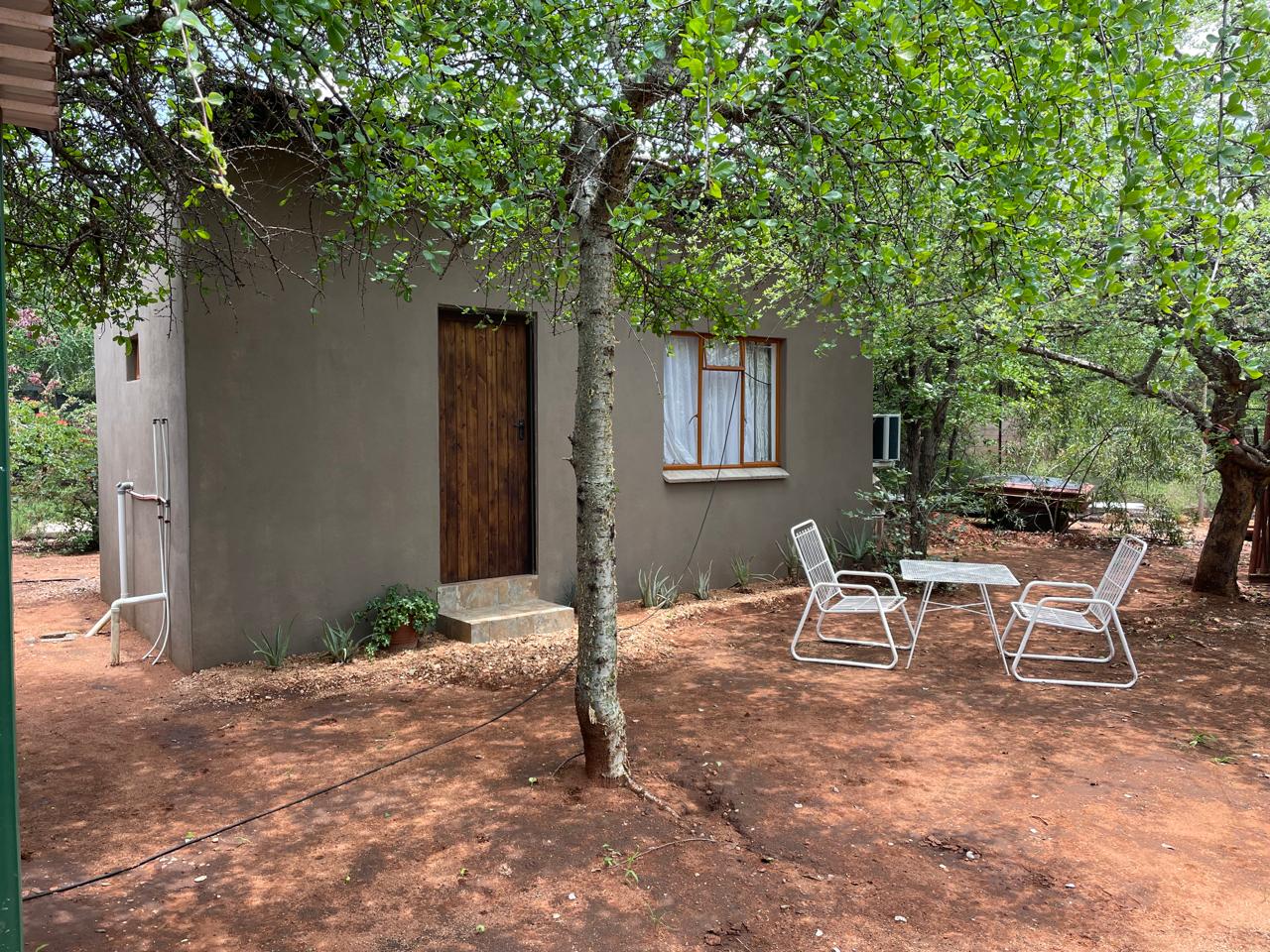
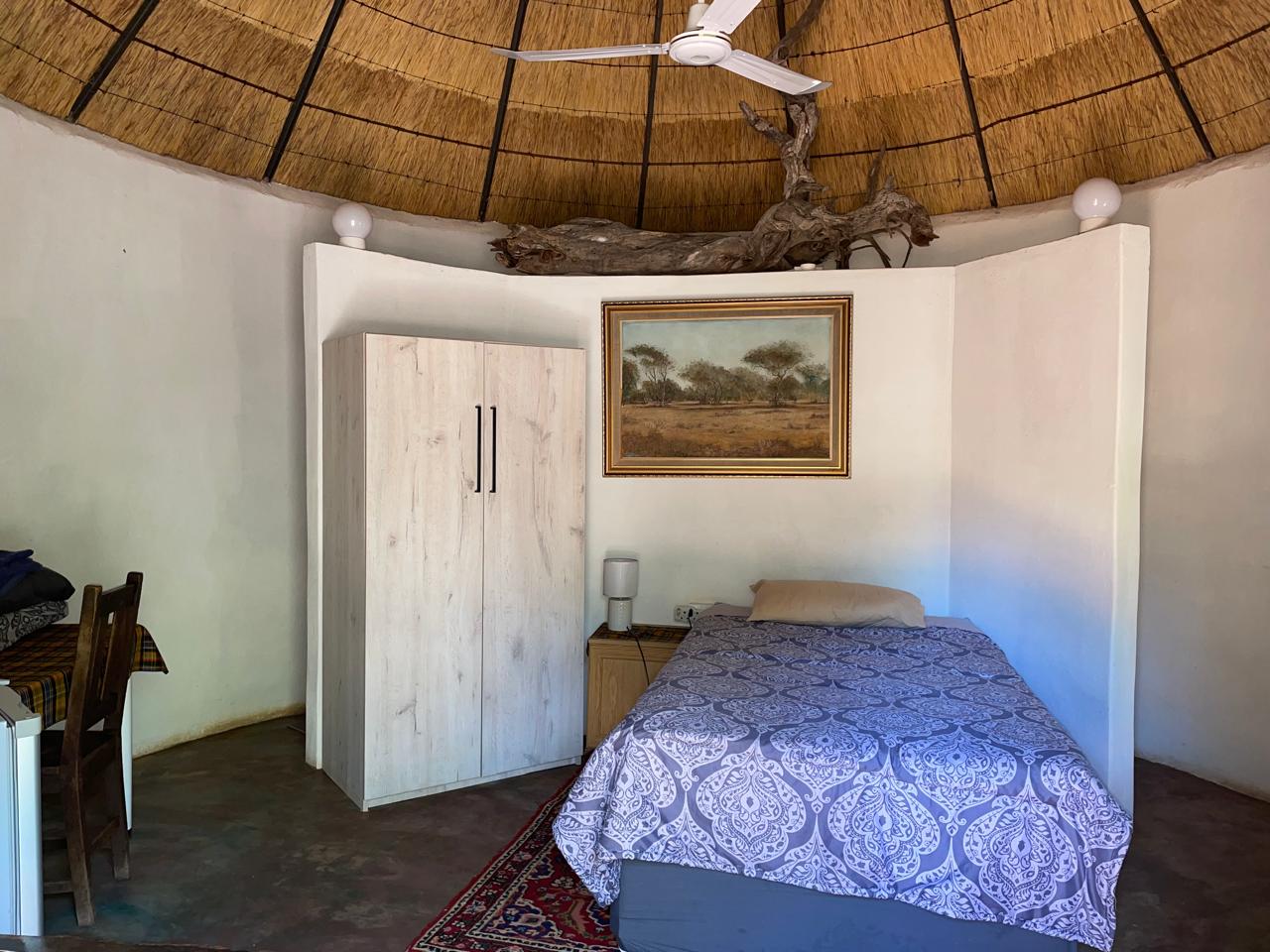
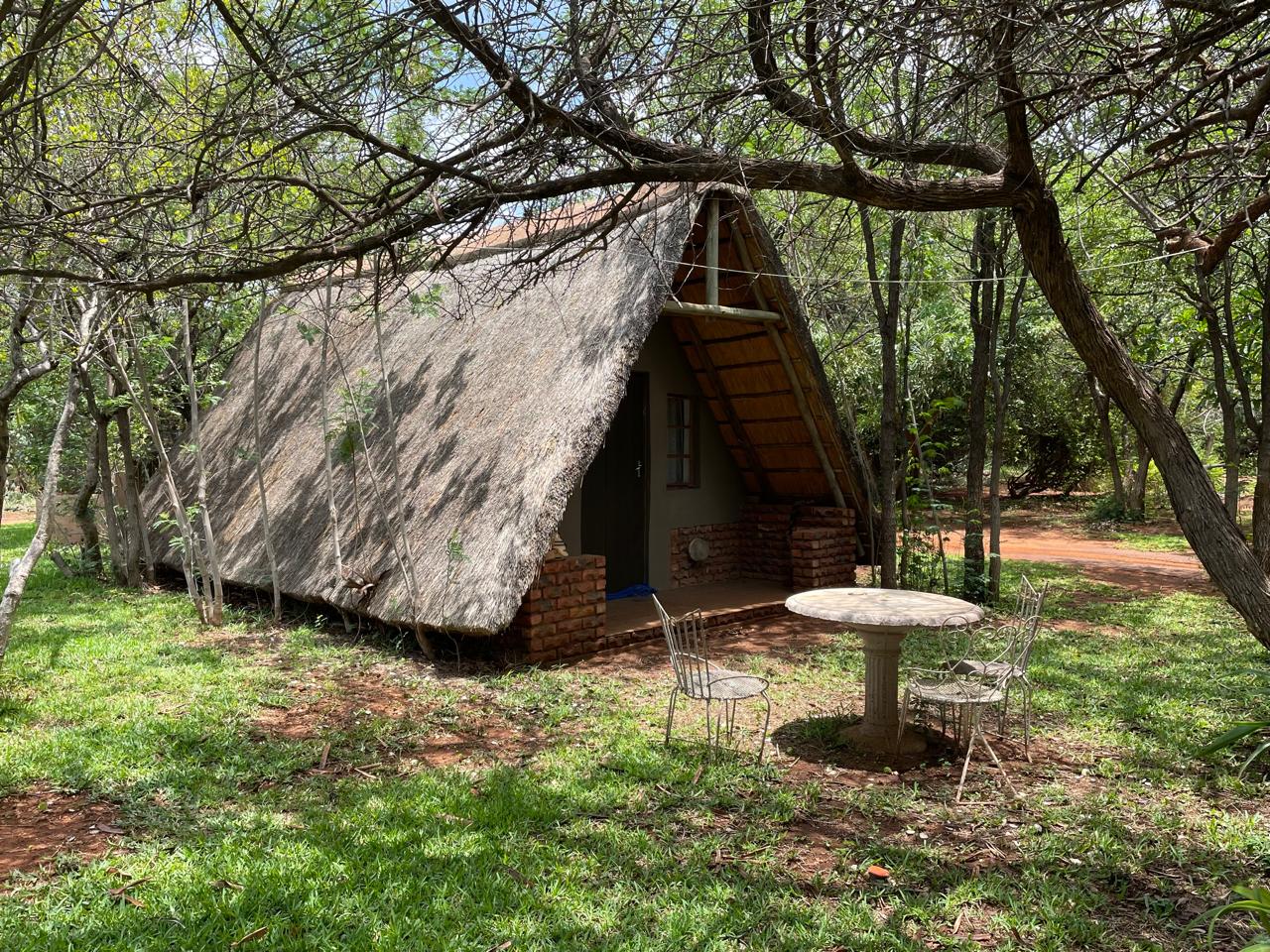
Comfortable chalets Comfortable chalets
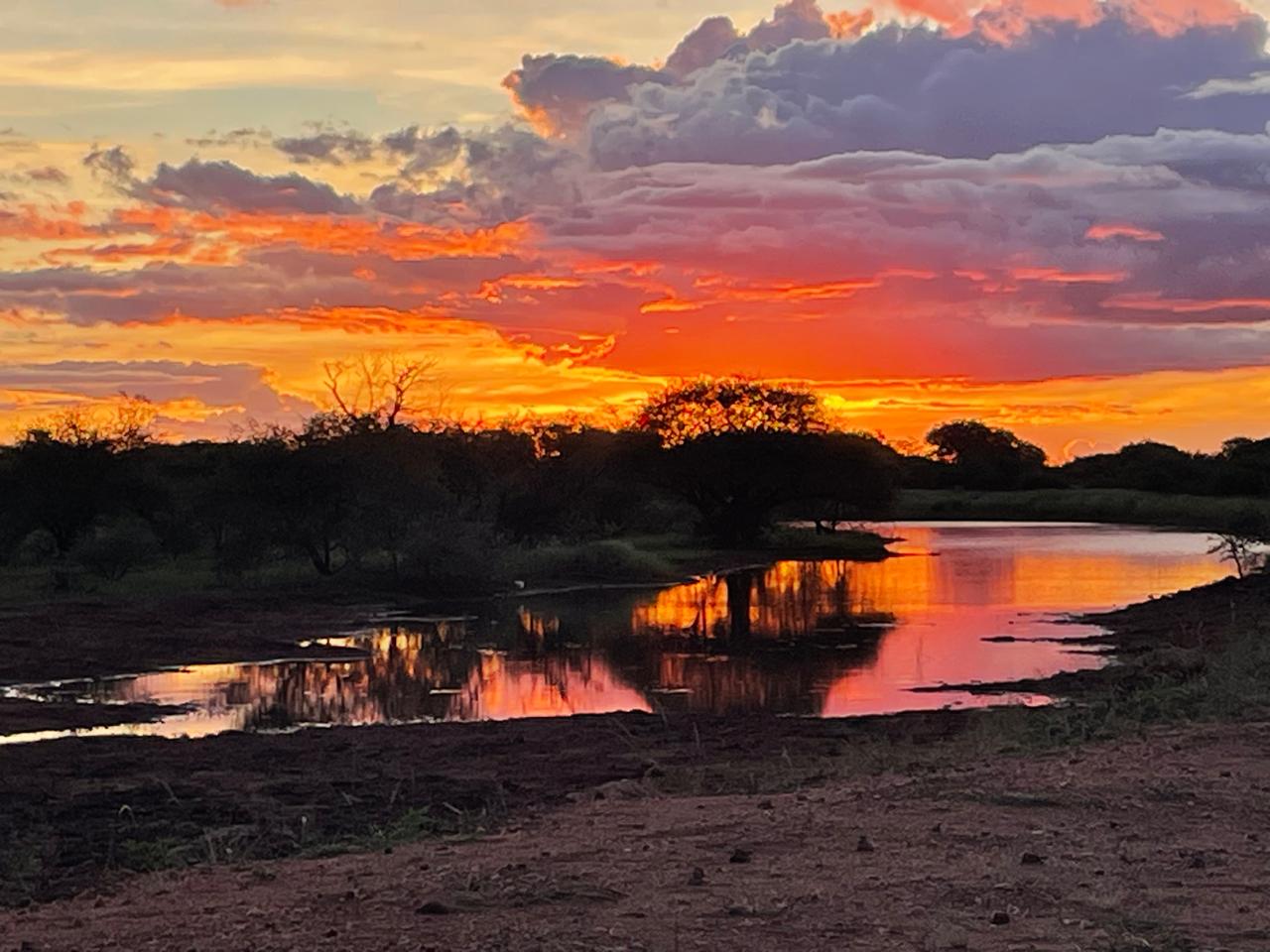
Bushveld sunsets Bushveld sunsets

Shots worth travelling for

Specific targets.

Photographers often travel for one specific image. These are the shots guests have come back for — realistic, repeatable, worth the trip.

01

Kudu bull in rut at first light

June–July, hide over water, 4:30am to 7am. Bulls break cover in daylight during rut. 600mm ideal; 400mm workable.

02

Giraffe silhouette against sunset

Neighbouring unfenced ground, western fence line, July–September. 70–200mm; watch for acacia-silhouette compositions.

03

Milky Way over a lone tree

June–July new-moon weekends. Core at zenith. Bortle 2. 14mm f/2.8 or 24mm f/1.4; 25-second exposure baseline.

04

Hornbill at nest cavity

November–January. Females sealed in for incubation — dramatic behaviour. 400mm, patience, tripod.

05

Aloe excelsa + sunbird

July–August. 6m tree-aloes in red flower, sunbirds constant. 300mm+ with fast shutter.

06

Storm cell over mopane

November–March afternoons. Layers of bushveld with dark storm anvil behind. 35–85mm; polariser helps.

07

Elephant crossings (Mapungubwe)

1.5hr day trip. National park, classic Limpopo floodplain. 200–600mm; dawn arrival.

08

Lilac-breasted Roller display

Year-round; most dramatic in breeding season Oct–Mar. Classic bushveld colour on a thorn. 500mm+, fast AF.

09

Leopard tracks in morning sand

Winter mornings. Trackable; rarely the cat itself on camera, but the sign is evocative. Macro or 35mm.

10

Kori Bustard stalking the flats

Open eastern flats, winter. Africa's largest flying bird — deliberate gait, early-morning light. 600mm+.

Get the most from your gear

Field-tested practical notes.

Book hides at check-in

We hold a hide roster — tell us at arrival which hides, which sessions. Full-day sits (drop-off + pickup) are standard; bring water and lunch.

Long lens + fast prime

600mm for birds and distant game; 70–200mm f/2.8 for landscape, portrait, and low-light. Wide prime (14–24mm f/2.8) for night-sky if the trip includes new moon.

Carbon tripod + gimbal

Flat lawn and hide floors all accept standard tripods. Gimbal head worth its weight for anything over 500mm.

Backup and storage

Bring two 1TB+ cards and two drives. WiFi handles 20–30 GB/day overnight uploads. Don't rely on the cloud for bulk.

Dust protocol

Dry-season dust is real. Blower, sensor swabs, rain cover (doubles as dust cover). Change lenses inside the vehicle, not outdoors.

Type M power

South African 220V 50Hz sockets are Type M — the large three-pin. Two sockets per chalet patio. Bring an adapter for UK, EU, or US gear.

Drone use

Only by prior arrangement. Private airspace sections okay; never over wildlife during hunts or guest privacy zones. Check SACAA requirements for overseas drone-pilot registration.

Ethics

No baiting, no calls, no artificial attractors. We hunt here ethically; we expect photography to meet the same standard. Tell us if you see otherwise.

Print wall

We'd love one of your images for the wall when you come back next time. No pressure — just an honest invitation.

Block-book for workshops

Private group bookings of 8–12 photographers work well — we've hosted a few. Ask about whole-property rates.

On-site

Everything You Need on Property

facilities & comforts

  • On-Site Restaurant

    Dedicated restaurant area with veranda, social space, bar and kitchen — also hosts private functions.

  • Bar & Lounge

    A proper bush bar for sundowners, cold drinks and firelit storytelling.

  • Swimming Pool

    Pool with a shaded terrace — a welcome cool-off after a hot bushveld day.

  • Firepit & Braai

    Central firepit plus private braai at each chalet — the bushveld evening done right.

  • Free WiFi

    Reliable across camp — strong enough for Teams calls, streaming, and remote work.

  • Air Conditioning

    Every chalet climate-controlled — sleep well through Limpopo summers.

  • Laundry Service

    On-site laundry for long-stay guests — included weekly on monthly rates.

  • Packed Meals

    Cooked breakfasts, packed lunches and evening meals on request — no need to cook every day.

  • 5 Bow-Hunting Hides

    Five purpose-built bow-hunting hides spread across the farm — ethical, fair-chase positions over waterholes.

  • Shooting Range

    On-property range to zero rifles and re-check scope settings before the hunt.

  • Year-Round Hunting Exemption

    Game-fenced property with year-round hunting exemption — book the dates that work for you.

  • Secure Private Game Farm

    Gated, fenced 578 ha — kids, pets and contractors all rest easy.

Where we are

Between Musina & Alldays, minutes from the Venetia Mine

and hours from the ordinary.

Kudu Rest Camp sits in the Limpopo Province, in a malaria-free pocket between Musina and Alldays. A short drive from the Venetia Diamond Mine, within reach of Mapungubwe National Park, and about an hour from the Beitbridge border.

  • 30 km Venetia Diamond Mine ~25 min drive
  • 75 km Mapungubwe National Park ~60 min drive
  • 50 km Musina ~40 min drive
  • 55 km Alldays ~45 min drive
  • 70 km Beitbridge Border (Zimbabwe) ~55 min drive

Guest stories

What our guests say

“Proper rest between shifts. WiFi actually works, laundry is sorted, and the braai after a long day is a real luxury. Stayed six weeks — felt like a home base.”
Schalk W. Mine Contractor · Google
“Ticked off 68 species in three days without leaving the property. Ronen knew exactly where to look for the specials.”
Anne & Mark B. Birders · Google
“Fair-chase, well-managed, and the chalets were far better than I expected. Already booking next season.”
Hennie J. Hunter · Facebook

Photographers FAQs

Questions photographers ask.

answered here.

  • Can I sit a hide for a full day?

    Yes — drop you off, bring a lunch and water, pick you up. Most full-day sitters arrive 4:30am and leave at 4pm, or vice versa. Tell us at check-in which hides you want and we'll build a roster.

  • Is there a wildlife guide?

    Henri and one of the team can do an informal bakkie drive most afternoons. Local guides available by arrangement for full-day tracking. We are not a formal photo-safari operation — which is why access is yours, not a schedule.

  • Can I do landscape work off-property?

    Yes — and we'll point you at spots. Mapungubwe (1.5hr) is extraordinary. Venetia mine pit viewpoints by arrangement. Musina kopjes at sunrise — worth the drive.

  • What about drone flights?

    Limited. Private airspace sections okay with prior arrangement. No flights over wildlife, during hunts, or over guest privacy zones. Overseas pilots need SACAA temporary registration — we can help with paperwork.

  • Can you recommend local subjects beyond wildlife?

    Yes — mopane worm harvest (Dec–Jan), baobab trees on the Mapungubwe road, Venetia geology, local mining infrastructure (with permissions), small-farm portraits. Ask Henri about cultural/documentary projects.

  • Do you host photography workshops?

    We don't run workshops — but we host workshop groups. Block-book the property for 8–12 guests, bring your own tutor. Several pro photographers have done exactly this.

  • Is there somewhere dark to review images?

    Every chalet has a desk with good light and power. Bring your own monitor if you are editing seriously; the chalet lighting is warm but consistent.

  • Can I leave heavy gear at camp when I side-trip?

    Yes. Chalets are private and secure. Safe at reception for small items. Camera bodies stay where you leave them.

Plan your photographers stay

Book your stay.

a farm where you set the shot list.

Tell us when you're coming and we'll confirm the right chalet. Short or long, we'll make it easy.